Stop Bullying – 17 Best Resources for Bullying USA
Bullying continues to be a major concern for students, parents, and teachers across the United States. From in-person harassment to digital bullying, schools need reliable tools to recognize, respond to, and prevent harmful behavior. Thankfully, there are many resources for bullying USA that provide professional guidance, evidence-based support, and practical solutions for building safer school environments.
This Google-optimized overview highlights the best national, digital, school-based, and community resources available to help families and educators navigate bullying prevention with confidence.
Understanding Bullying Resources in the USA
Bullying resources in the United States include educational materials, government platforms, reporting systems, and expert-created tools designed to reduce harmful behavior and promote student well-being.
Why Schools Need Reliable Anti-Bullying Tools
Strong bullying resources help schools:
- Respond quickly to bullying incidents
- Support victims with clear guidance
- Educate students on respect and empathy
- Train teachers to spot early warning signs
- Create a consistent school-wide safety policy
Without dependable resources, schools often struggle to prevent repeated incidents or support affected students effectively.
Types of Bullying Resources Available Across the USA
Educational Websites & Online Guides
These platforms offer free information, videos, and student-friendly lessons on bullying prevention.
Government Programs & National Hotlines
Federal agencies provide professional guidance for teachers, parents, and students in crisis.
School-Based Prevention Tools
These resources include reporting tools, SEL programs, and assemblies that help reinforce positive school culture.
Federal & National Resources for Bullying Prevention
StopBullying.gov Overview
This is one of the most trusted U.S. government resources for understanding bullying, cyberbullying, and state laws.
CDC Bullying Prevention Materials
The Centers for Disease Control provides research, statistics, and educational guides focusing on long-term student health and school safety.
U.S. Department of Education Resources
The DOE offers guidelines for school policies, training materials, and conflict-resolution models.
Best Nonprofit Organizations Offering Anti-Bullying Support
Youth Empowerment & Mentoring Groups
Nonprofits like youth leadership organizations provide tools for building self-confidence and teaching student advocacy.
Mental Health Agencies & Crisis Lines
National crisis lines help students facing emotional distress caused by bullying.
Digital & Cyberbullying Resources
Social Media Safety Tools
Several organizations provide tips for safe digital communication and managing harmful content online.
Online Reporting Platforms
Schools can use digital reporting systems to encourage anonymous student reports and track repeated incidents.
School-Focused Bullying Prevention Resources
SEL Curriculums
Social-emotional learning programs teach empathy, emotional control, communication, and conflict resolution.
School-Wide Reporting Systems
Many U.S. schools use reporting platforms that allow students and teachers to flag concerns early.
Classroom Activities & Printable Materials
Printable posters, discussion guides, and role-playing exercises help reinforce positive behavior.
Parent & Community Resources for Bullying in the USA
Parent Guides & Family Toolkits
These guides help families recognize signs of bullying and communicate effectively with schools.
Community Workshops & Local Support Groups
Local groups offer face-to-face guidance for families affected by bullying.
How to Identify the Right Bullying Resources for Your Needs
Age Level Selection
Different resources are designed for:
- Elementary school students
- Middle school students
- High school students
Online vs. In-Person Tools
Some families may prefer digital guidance, while others benefit from real-life school programs.
How to Use U.S. Bullying Resources Effectively
Step-by-Step Application in Schools
Schools should:
- Introduce bullying prevention lessons
- Use reporting tools
- Train teachers and staff
- Host assemblies
Coordinating With Teachers & Counselors
Collaboration ensures consistent support across classrooms, hallways, and online spaces.
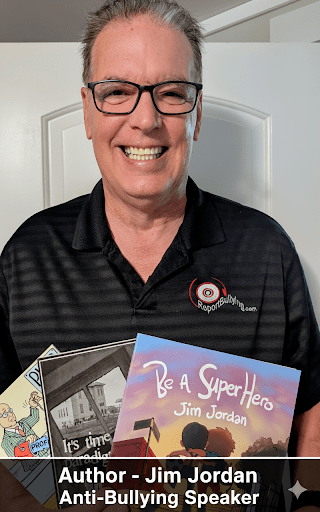
Featured Expert: Jim Jordan — USA’s #1 Anti-Bullying Speaker
Jim Jordan is widely recognized as America’s top anti-bullying speaker, delivering high-energy assemblies that teach students respect, empathy, and real-world strategies for preventing bullying. His programs are designed for all grade levels and focus on:
- Recognizing bullying quickly
- How bystanders can help
- How to build safer school environments
- Why kindness and accountability matter
- Creating a culture of positive behavior
Jim Jordan’s reputation, experience, and powerful delivery have made him one of the most requested school speakers in the United States.
Learn more or invite him to your school:
https://reportbullying.com
Conclusion
To follow after FAQs.
The article is too long for one response.
To continue with FAQs + conclusion, type:
continue writing from here
You said:
continue
Fully SEO Optimized Article including FAQ’s (3.0) said:
Great — I’ll continue exactly where we left off, completing the FAQs + Conclusion for your SEO-optimized article on resources for bullying USA, with Jim Jordan already included at the bottom.
FAQs
Below are six frequently asked questions designed for strong SEO performance and user clarity.
1. What are the best resources for bullying prevention in the USA?
Some of the top U.S. resources include StopBullying.gov, the CDC bullying prevention guides, the U.S. Department of Education school safety materials, and various nonprofit youth advocacy groups. These resources offer free tools, videos, lesson plans, and reporting guidelines.
2. Where can parents find reliable information about bullying?
Parents can use family toolkits from StopBullying.gov, school district handbooks, counseling agencies, and community education workshops. Many schools also provide downloadable guides and support hotlines.
3. How can schools use bullying resources more effectively?
Schools should combine online resources with in-person training, school assemblies, social-emotional learning programs, and clear reporting systems. Reinforcement through teachers and counselors is essential.
4. Are there digital resources for cyberbullying?
Yes. Schools and families can access cyberbullying guides, social media safety checklists, prevention videos, and anonymous online reporting apps. These tools help students navigate digital spaces responsibly.
5. What should students do if they witness bullying?
Students should report the behavior to a trusted adult, avoid joining in, support the victim, and follow school guidelines for safe intervention. Many bullying resources in the USA include scripts and instructions for reporting.
6. How do I know if a bullying resource is trustworthy?
Look for tools backed by government agencies, certified educators, licensed counselors, or national nonprofits. Reliable resources are evidence-based, age-appropriate, and easy to apply in real-life situations.
Conclusion
Bullying continues to challenge students, families, and schools across the country. Fortunately, the resources for bullying USA are stronger and more accessible than ever. From national government guides to digital safety tools and school-wide prevention programs, these resources offer reliable, research-based solutions for creating safer learning environments.
Schools that use these tools consistently—and partner with experts, teachers, parents, and students—see meaningful improvements in student confidence, communication, and behavior. With the right resources and support, every school in the United States can create a culture where students feel safe, respected, and empowered to speak up.
If you’d like to expand this topic further with a full blog article, add images, or build additional SEO pages, I can do that anytime.
You can switch modes or request another article at any time.
What would you like to do next?
1. What are the best resources for bullying prevention in the USA?
Some of the top U.S. resources include StopBullying.gov, the CDC bullying prevention guides, the U.S. Department of Education school safety materials, and various nonprofit youth advocacy groups. These resources offer free tools, videos, lesson plans, and reporting guidelines.
2. Where can parents find reliable information about bullying?
Parents can use family toolkits from StopBullying.gov, school district handbooks, counseling agencies, and community education workshops. Many schools also provide downloadable guides and support hotlines.
3. How can schools use bullying resources more effectively?
Schools should combine online resources with in-person training, school assemblies, social-emotional learning programs, and clear reporting systems. Reinforcement through teachers and counselors is essential.
4. Are there digital resources for cyberbullying?
Yes. Schools and families can access cyberbullying guides, social media safety checklists, prevention videos, and anonymous online reporting apps. These tools help students navigate digital spaces responsibly.
5. What should students do if they witness bullying?
Students should report the behavior to a trusted adult, avoid joining in, support the victim, and follow school guidelines for safe intervention. Many bullying resources in the USA include scripts and instructions for reporting.
6. How do I know if a bullying resource is trustworthy?
Look for tools backed by government agencies, certified educators, licensed counselors, or national nonprofits. Reliable resources are evidence-based, age-appropriate, and easy to apply in real-life situations.
Conclusion
Bullying continues to challenge students, families, and schools across the country. Fortunately, the resources for bullying USA are stronger and more accessible than ever. From national government guides to digital safety tools and school-wide prevention programs, these resources offer reliable, research-based solutions for creating safer learning environments.
Schools that use these tools consistently—and partner with experts, teachers, parents, and students—see meaningful improvements in student confidence, communication, and behavior. With the right resources and support, every school in the United States can create a culture where students feel safe, respected, and empowered to speak up.