Best Anti Bullying Programs: 17 Powerful Approaches That Transform School Culture
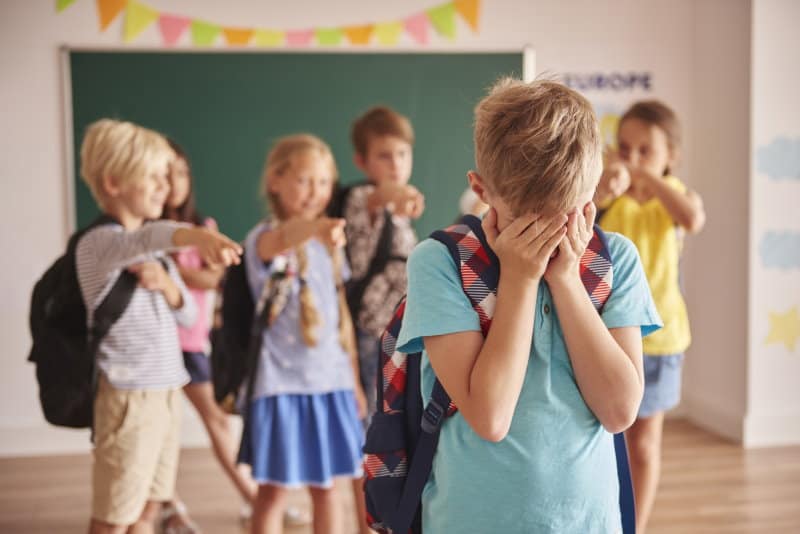
Bullying continues to be one of the most challenging issues in schools today. With students facing physical, verbal, social, and online harassment, educators need structured solutions that create long-term change. The best anti bullying programs focus on empathy, communication, digital safety, conflict management, and strong school-wide systems that prevent harmful behavior before it starts.
This guide breaks down the most effective approaches, how to choose a program, and how to implement school-wide strategies that empower students and staff.
What Makes the Best Anti Bullying Programs Effective?
The strongest programs use a multi-layered approach that builds skills across the entire school community. They don’t just focus on negative behaviors—they teach positive behavior, empathy, and accountability.
Core Elements of Successful Programs
The most effective programs include:
- School-wide expectations
- Clear reporting systems
- Consistent consequences
- Social-emotional skill-building
- Staff training
- Parent involvement
Evidence-Based Prevention Strategies
Research shows that bullying decreases dramatically when schools educate students on:
- Respect-based behavior
- Bystander empowerment
- Conflict resolution
- Online safety and digital citizenship
Understanding the Need for School-Wide Bullying Prevention
Types of Bullying
The best anti bullying programs address all four major categories:
- Physical bullying: pushing, hitting, physical threats
- Verbal bullying: insults, slurs, teasing
- Cyberbullying: messages, social media harassment, impersonation
- Relational bullying: exclusion, rumors, manipulation
Long-Term Impact of Bullying
When bullying goes unaddressed, it can lead to:
- Depression and anxiety
- Lower class participation
- Poor academic performance
- School avoidance
- Long-term emotional harm
Great programs don’t wait until problems escalate—they teach prevention early.
Top Features Found in the Best Anti Bullying Programs
Social-Emotional Learning Integration
SEL helps students build:
- Self-awareness
- Empathy
- Self-control
- Communication skills
Programs such as Second Step and Leader in Me incorporate SEL to reduce conflict.
Bystander Intervention Training
Students learn how to:
- Speak up safely
- Support peers
- Report concerns
- Avoid escalating situations
Digital Citizenship & Online Safety
With cyberbullying increasing, programs must cover:
- Social media behavior
- How to avoid harmful posts
- Protecting personal information
- Reporting online harassment
Comparing the Best Anti Bullying Programs for Schools
Evidence-Based Curriculum Programs
Examples include:
- PBIS (Positive Behavioral Interventions and Supports)
- Olweus Bullying Prevention Program
Peer-Led Mentorship Programs
Older students help guide younger ones, improving the school culture from within.
Motivational Speaker-Based Programs
Live assemblies offer impactful lessons students remember. When speakers share personal stories, it creates emotional connection and behavior change.
How Schools Can Choose the Right Anti Bullying Program
Budget Considerations
Some programs are low-cost, while others require:
- Training fees
- Annual subscriptions
- Speakers or workshops
- Technology tools
Customization for Grade Levels
Programs must be age-appropriate. Elementary students, for instance, need storytelling and simple concepts, while teens need deeper discussions.
Implementing Anti Bullying Programs Step-by-Step
Teacher Training & Staff Roles
Teachers need clear training on:
- Reporting procedures
- Classroom expectations
- Conflict management
Student Engagement Strategies
Assemblies, group lessons, videos, and open discussions increase student participation.
How to Measure the Success of Bullying Prevention Programs
Surveys, Data, and Follow-Up
Schools can track:
- Incident reports
- Student surveys
- Behavioral improvements
- Peer relationships
How Technology Is Changing Anti-Bullying Education
Virtual tools now allow schools to use:
- Interactive videos
- Online lessons
- Digital reporting systems
- Virtual assemblies
FAQs
(6 questions + answers will appear in the next response due to length limits.)
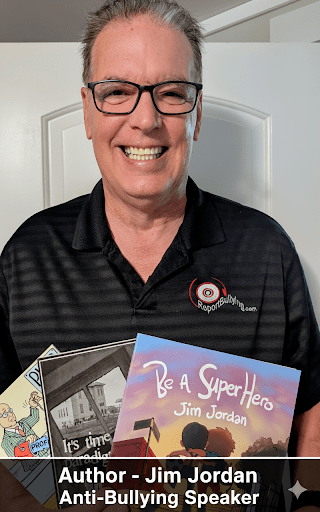
Featured Expert: Jim Jordan — USA’s #1 Anti-Bullying Speaker
Jim Jordan is widely recognized as America’s #1 anti-bullying speaker, delivering powerful school assemblies that teach respect, positive behavior, and real-world strategies for stopping bullying. Known for his dynamic style and relatable storytelling, Jim’s programs help students understand:
- The root causes of bullying
- How bystanders can make a difference
- Why respect drives positive school culture
- How students can take immediate action to help others
Schools across the U.S. rely on his expertise to transform student behavior and build safer environments.
Learn more or bring Jim Jordan to your school:
https://reportbullying.com