Raising Voices: The Critical Importance of Bullying Awareness School Assemblies in Arizona
Empowering Students, Educators, and Communities to Create Safe Learning Environments
Understanding the Bullying Crisis in Arizona Schools
Bullying remains one of the most pervasive and damaging issues affecting students throughout the United States, and Arizona schools are confronting this challenge head-on. As educational institutions work tirelessly to establish safe, supportive, and inclusive environments for every student, bullying awareness assemblies have become an indispensable component in combating this persistent problem. These powerful gatherings serve multiple critical functions: they raise awareness, stimulate meaningful dialogue, and deepen understanding about bullying’s profound impact on individual students and the broader school community.
The reality is that bullying affects students of all ages, backgrounds, and demographics. From primary schools to high schools, no grade level is immune to this issue. The consequences extend far beyond the immediate incident, potentially affecting academic performance, mental health, social development, and long-term wellbeing. Recognizing this urgency, Arizona schools are increasingly turning to comprehensive anti-bullying programs and educational assemblies as proactive solutions.
The Multifaceted Purpose of Anti-Bullying Assemblies
Education and Awareness
A strategically designed bullying awareness assembly accomplishes numerous vital objectives. First and foremost, it provides comprehensive education about what bullying truly encompasses and the various forms it can take. Students learn to recognize physical bullying, verbal harassment, social exclusion, and the increasingly prevalent cyberbullying that occurs through digital platforms and social media. Many young people remain unaware that certain behaviors constitute bullying, or they may not fully comprehend the severe emotional and psychological toll these actions inflict on their peers.
Recognizing Different Forms of Bullying
Physical Bullying: Includes hitting, pushing, or damaging someone’s belongings. This is often the most visible form but represents only one aspect of the problem.
Verbal Bullying: Encompasses name-calling, teasing, intimidation, and threatening language that can cause lasting psychological harm.
Social Bullying: Involves deliberately excluding someone, spreading rumors, or publicly embarrassing them to damage their reputation and relationships.
Cyberbullying: Takes place through digital devices and platforms, including harassing messages, sharing embarrassing photos, or creating fake profiles to humiliate others.
Creating Safe Spaces for Sharing
Beyond education, these assemblies provide essential safe spaces where students feel comfortable sharing their personal experiences and emotions. When young people hear authentic stories from their peers or from individuals who have overcome bullying situations, it cultivates profound empathy, understanding, and mutual support. This shared experience reinforces a crucial message: students struggling with bullying are not alone, and there exists a network of caring adults and supportive peers genuinely invested in their wellbeing and safety.
Resource Introduction and Support Systems
Hosting a comprehensive bullying awareness assembly creates valuable opportunities for schools to introduce and explain available resources to students. Whether these resources include professional counseling services, peer support groups, confidential reporting systems, or crisis hotlines, ensuring students understand where and how to seek help proves absolutely critical. Dedicated assembly time can thoroughly outline the specific steps students should take if they witness bullying occurring or experience it themselves, empowering them to take action rather than remaining silent bystanders.
Key Benefits of School-Wide Anti-Bullying Assemblies
- Establish a unified understanding of what constitutes bullying behavior across all grade levels
- Foster a culture of empathy, respect, and inclusion throughout the entire school community
- Provide students with practical tools and strategies for responding to bullying situations
- Connect students with essential support resources and trusted adults
- Encourage bystander intervention and peer advocacy
- Reduce incidents of bullying through increased awareness and accountability
- Improve overall school climate and student mental health outcomes
Empowering Students to Become Change Agents
Beyond simply providing education, effective anti-bullying assemblies actively empower students to take meaningful action in their schools and communities. Engaging activities such as interactive skits, role-playing scenarios, and small group discussions can spark important conversations while providing practical, actionable strategies for responding appropriately to bullying situations. When students are encouraged to courageously stand up against bullying and transform themselves into advocates for positive change, schools foster a sustainable culture of mutual respect, dignity, and genuine inclusion.
By equipping young people with knowledge, confidence, and practical tools, these assemblies help transform passive observers into powerful allies in the ongoing fight against bullying. Students learn that their voices matter, their actions have consequences, and they possess the power to create positive change in their school environment. This empowerment extends beyond anti-bullying efforts, helping develop leadership skills, emotional intelligence, and social responsibility that will serve students throughout their lives.
Arizona’s Commitment to Safe Schools
Throughout Arizona, the commitment to implementing effective, evidence-based bullying awareness assemblies has never been stronger or more essential. Progressive schools are actively collaborating with local organizations, licensed mental health professionals, law enforcement agencies, and community leaders to ensure their anti-bullying messaging remains clear, impactful, and culturally responsive. This collaborative approach ensures that assemblies address the specific needs and challenges facing Arizona students while incorporating best practices from across the nation.
Ultimately, raising awareness through professionally designed school assemblies represents a proactive, preventative step toward creating safer, more supportive educational environments for every student, regardless of background or circumstance. These initiatives recognize that preventing bullying requires ongoing effort, community involvement, and institutional commitment rather than one-time interventions.
Building a Culture of Kindness and Respect
As educational communities continue confronting the multifaceted challenges posed by bullying in all its forms, prioritizing comprehensive educational assemblies becomes increasingly vital. Raising awareness not only helps prevent bullying incidents before they occur but also actively encourages the development of a positive school culture where kindness, empathy, and mutual respect don’t just exist but genuinely thrive. Through collective effort, sustained commitment, and deepened understanding across all stakeholder groups, we can help ensure every student feels authentically valued, emotionally safe, and fully supported within their school community.
The investment in anti-bullying assemblies pays dividends that extend far beyond reduced incident reports. Schools that prioritize these programs often see improvements in academic performance, student attendance, emotional wellbeing, and overall school climate. When students feel safe and supported, they’re better able to focus on learning, develop positive relationships, and reach their full potential.
Featured Anti-Bullying Speaker
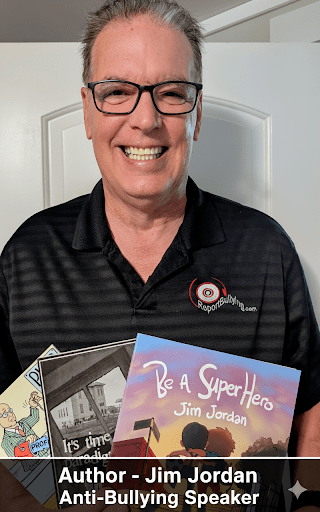
Jim Jordan – Professional Anti-Bullying Speaker
Anti-bullying speaker Jim Jordan and his dedicated team have created a comprehensive safe school program that is transforming educational environments across the United States. With unwavering commitment and passion, Jim Jordan has been traveling non-stop, delivering powerful presentations to thousands of students, parents, educators, and administrators throughout America.
The Jim Jordan Safe School Program offers students from Primary, Elementary, Middle, and High School levels action-packed, engaging presentations focused on anti-bullying strategies and creating genuinely safe school environments. These dynamic assemblies combine education, inspiration, and practical tools that students can immediately implement in their daily lives.
Through authentic storytelling, interactive demonstrations, and evidence-based strategies, Jim Jordan connects with students on a personal level, helping them understand the real impact of their choices and empowering them to become leaders in creating positive change. His presentations don’t just inform—they inspire lasting transformation in school culture and student behavior.
Book Jim Jordan 1-866-333-4553