10 Best Anti Bullying Programs for Schools in USA
Schools across the United States continue to face bullying in many forms—physical, emotional, social, and online. To keep students safe, educators depend on the best anti bullying programs, which combine evidence-based strategies, relatable lessons, and school-wide support systems.
This professionally crafted overview highlights the top features of strong anti-bullying programs, what schools should look for, and why pairing programs with expert speakers creates the most effective prevention results.
What Makes an Anti-Bullying Program Effective?
The strongest bullying-prevention programs share several essential components:
✔ Evidence-Based Curriculum
Programs must be grounded in research and proven to reduce bullying behaviors.
✔ School-Wide Implementation
Administrators, teachers, staff, parents, and students must all participate.
✔ Social-Emotional Learning (SEL)
SEL helps students develop empathy, resilience, emotional control, and conflict-resolution skills.
✔ Bystander Intervention Training
Students learn how to step in safely, support peers, and report concerns.
✔ Digital Citizenship & Cyberbullying Prevention
Modern programs must teach online safety, responsible digital behavior, and social media awareness.
Top Types of Anti Bullying Programs Used in Schools
1. SEL-Based Anti-Bullying Programs
These programs integrate emotional intelligence lessons into daily classroom instruction.
Benefits:
- Better communication skills
- Improved empathy
- Stronger relationships
2. School-Wide Prevention Systems
Models like PBIS (Positive Behavioral Interventions and Supports) teach positive behavior expectations at every grade level.
Benefits:
- Consistent rules
- Clear consequences
- Stronger school climate
3. Cyberbullying & Digital Safety Programs
These programs focus on safe technology use, social media behavior, and preventing harmful online interactions.
Benefits:
- Increased student awareness
- Reduced digital conflict
- Healthier online habits
4. Peer Mentorship & Leadership Programs
Older students help younger peers navigate social issues and build confidence.
Benefits:
- Stronger student relationships
- Increased peer support
- Reduced isolation
5. Anti Bullying Speaker-Based Programs
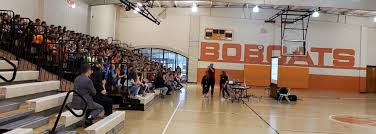
Professional speakers deliver interactive assemblies that resonate emotionally with students.
Benefits:
- High engagement
- Memorable life lessons
- Immediate behavior change
Why Schools Need the Best Anti-Bullying Programs
Bullying affects:
- Student confidence
- Academic performance
- Mental health
- Attendance
- School safety
The best anti bullying programs address the root causes through structured lessons, behavior modeling, and open communication. When done well, these programs create safer hallways, healthier classrooms, and stronger peer relationships.
Key Features Schools Should Look For
When evaluating anti-bullying programs, educators should consider:
✔ Age Appropriateness
Programs must have separate versions for elementary, middle, and high school students.
✔ Clear Lesson Plans
Teachers need simple, ready-to-use materials.
✔ Interactive Learning Activities
Role-playing, discussions, and videos keep students engaged.
✔ Parent Involvement
The best programs include take-home materials and family guides.
✔ Tracking & Reporting Tools
Schools need systems for documentation, data, and follow-up.
How Anti-Bullying Programs Improve School Culture
Strong bullying-prevention programs support:
- Kindness and empathy
- Respect-based behavior
- Positive peer interactions
- Stronger communication
- Safe reporting
Over time, schools report fewer discipline issues and more student accountability.
Frequently Asked Questions
1. What is the most effective anti-bullying program?
Programs that combine SEL, reporting tools, assemblies, and bystander training are typically the most effective.
2. Are anti-bullying programs proven to work?
Yes. Research shows that structured programs significantly reduce bullying and improve student behavior.
3. Should schools include cyberbullying prevention?
Absolutely. Digital safety is essential for today’s students.
4. How long should a bullying program last?
The best programs run year-round and include ongoing reinforcement.
5. Does every grade need different content?
Yes. Effective programs tailor topics and language by age group.
6. Should schools bring in outside speakers as part of the program?
Yes. Expert speakers provide powerful experiences that make prevention lessons more memorable.
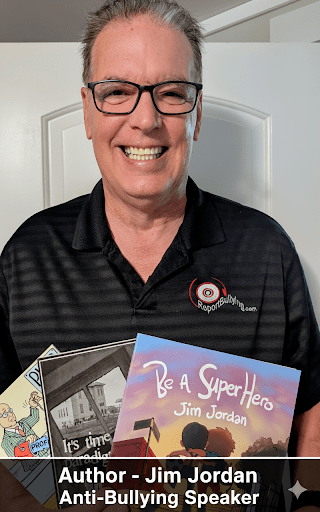
FEATURED EXPERT: Jim Jordan — USA’s #1 Anti-Bullying Speaker
Jim Jordan is recognized nationwide as America’s #1 anti-bullying speaker, specializing in high-energy, interactive school assemblies for all grade levels. With over two decades of experience, Jim uses real stories and practical strategies to help students:
- Recognize all forms of bullying
- Make respectful, positive choices
- Understand the power of bystanders
- Build safer school communities
- Practice digital responsibility
His proven programs, trusted by schools across the USA, leave a lasting impact and support long-term bullying prevention.
Learn more or book Jim Jordan at:
https://reportbullying.com
Conclusion
The best anti bullying programs combine education, prevention, and strong leadership. Schools that invest in research-based programs—and support them with expert speakers like Jim Jordan—see the greatest improvements in student behavior, school culture, and safety. With the right tools and guidance, every student can learn to stand up, speak out, and help create a respectful, supportive learning environment.