Professional Anti Bullying Assembly Programs Near Me
Your Complete Guide to Finding and Evaluating Local Anti-Bullying Speakers
Finding Professional Anti-Bullying Assembly Programs Near Your School
Finding professional anti-bullying assembly programs near your school requires understanding what makes programs effective, how to evaluate local speakers, and what to expect from quality presentations. This comprehensive guide helps school administrators, counselors, and educators identify the best anti-bullying programs available in their communities.
Whether you’re searching for “anti-bullying assembly programs near me” or looking for local speakers who can deliver impactful presentations, this guide provides the essential information you need to make informed decisions that will positively impact your school culture.
Why Location Matters for Anti-Bullying Programs
Choosing local or regional anti-bullying speakers offers several advantages over booking national presenters. Understanding these benefits helps schools make strategic decisions that maximize both impact and budget.
Key Advantages of Local Anti-Bullying Speakers
- Reduced Travel Costs: Proximity reduces travel expenses significantly, with local speakers typically charging substantially less than those requiring flights and overnight accommodations
- Community Connection: Regional speakers understand community-specific dynamics, local culture, and state-specific anti-bullying laws
- Familiar References: Local speakers can reference familiar landmarks, sports teams, or regional characteristics that help students connect with their message
- Ongoing Relationships: Building relationships with nearby speakers enables repeat visits and continued consultation throughout the school year
Schools can allocate more budget toward program quality rather than logistics. Regional speakers may reference familiar landmarks, sports teams, or regional characteristics that help students connect with their message. This localized approach creates stronger relevance than generic national presentations.
Building ongoing relationships with nearby speakers enables repeat visits, follow-up sessions, and continued consultation throughout the school year. Local presenters can return for refresher assemblies, parent nights, or teacher training without prohibitive costs or scheduling complications.
Components of Professional Anti-Bullying Programs
Professional programs distinguish themselves through comprehensive approaches extending beyond single assemblies. Understanding what constitutes a quality program helps schools evaluate options effectively.
Age-Appropriate Content
Quality programs include student presentations tailored to specific age groups, recognizing that elementary, middle, and high school students require different content, language, and engagement strategies.
Evidence-Based Content
Research-Backed Programming
Evidence-based content forms the foundation of professional programs. Reputable speakers incorporate research from bullying prevention experts, align with frameworks like Social-Emotional Learning (SEL), and reference established programs such as:
- Olweus Bullying Prevention Program
- Positive Behavioral Interventions and Supports (PBIS)
- CASEL Social-Emotional Learning Framework
- Research from StopBullying.gov and similar resources
Interactive Engagement
Interactive engagement keeps students actively involved rather than passively listening. Professional presenters use:
- Interactive activities and demonstrations
- Student volunteers participating in scenarios
- Multimedia elements and visual presentations
- Response techniques that maintain attention
- Real-world examples and relatable stories
Interaction transforms assemblies from lectures into memorable learning experiences.
Supplementary Materials
Resources That Extend Impact
Supplementary materials extend impact beyond the assembly. Professional programs provide:
- Teacher guides with discussion questions and activities
- Student handouts reinforcing key concepts
- Posters for classroom and hallway display
- Parent information sheets and family resources
- Digital resources accessible after the presentation
How to Search for Local Anti-Bullying Speakers
Finding professional anti-bullying programs in your area requires a strategic approach. Multiple search methods increase your chances of finding the perfect speaker for your school.
Network with Other Schools
Start your search by contacting neighboring schools and district administrators. Personal recommendations from colleagues provide valuable insights about speaker effectiveness, professionalism, and student response. School counselor networks often share information about quality presenters they’ve hosted.
State and Regional Resources
Official Education Resources
- State education departments frequently maintain lists of approved speakers
- Regional education service centers coordinate speaker services
- Intermediate units may offer cost-sharing opportunities
- State anti-bullying coalitions provide speaker recommendations
Professional Speaker Bureaus
Professional speaker bureaus specializing in educational programming represent multiple presenters and can match your specific needs with appropriate speakers. While adding agency fees, bureaus handle logistics and typically guarantee quality through vetting processes.
Online Directories and Reviews
Digital Search Strategies
Online directories and review platforms help identify speakers serving your area. Search terms to use:
- “anti-bullying assembly programs near me”
- “school assembly speakers” + [your city/state]
- “local anti-bullying speakers”
- “bullying prevention programs in [your area]”
Review speaker websites for service areas, program descriptions, video samples, and client testimonials.
University Partnerships
Local universities with education or psychology departments may have faculty or graduate students conducting bullying prevention research who offer community presentations. These academic experts bring current research and often charge lower fees than professional speakers.
Evaluating Speaker Qualifications and Experience
Professional anti-bullying speakers should demonstrate relevant credentials beyond general motivational speaking experience. Thorough evaluation ensures you select speakers who can deliver meaningful impact.
Essential Qualifications Checklist
- Background in education, school counseling, psychology, social work, or youth development
- Certifications in bullying prevention programs (Olweus, etc.)
- Specialized training in trauma-informed approaches
- Experience specifically with school assemblies
- Proven track record with your student age groups
- Knowledge of state-specific anti-bullying laws
- Understanding of SEL frameworks and PBIS
Assess Age-Specific Experience
Assess experience specifically with school assemblies and your student age groups. Speakers excelling with elementary students may struggle engaging high schoolers and vice versa. Request information about how many schools they’ve served, which grade levels, and in what capacity.
Review Presentation Samples
What to Look For in Video Samples
- Speaker engaging audiences effectively
- Energy level management throughout presentation
- Incorporation of interactive elements
- Clear, age-appropriate content delivery
- Student attention and participation levels
- Behavior management techniques
Assess whether their style suits your school culture and student population.
Check References
Check references from schools similar to yours in size, demographics, and community type. Ask specific questions about:
- Punctuality and professionalism
- Student engagement levels
- Behavior management during assemblies
- Whether schools would book the speaker again
- Measurable outcomes following presentations
- Quality of supplementary materials
Understanding Program Costs and Value
Professional anti-bullying assembly program costs vary significantly based on speaker experience, program length, travel requirements, and included materials. Understanding pricing structures helps schools budget effectively.
Typical Cost Ranges
| Speaker Type | Typical Fee Range | What’s Usually Included |
|---|---|---|
| Local/Community Speakers | $500 – $1,500 | Single assembly, basic materials |
| Regional Professionals | $1,500 – $3,000 | Multiple assemblies, comprehensive materials |
| Traveling Specialists | $2,500 – $5,000 | Full-day programs, training, extensive resources |
| National Experts | $5,000 – $7,000+ | Multi-day programs, consultation, premium materials |
Evaluating Value Beyond Price
Total Value Proposition
Compare costs against comprehensive value rather than focusing solely on presentation fees. Speakers charging premium rates but providing extensive curriculum materials, teacher training, parent resources, and follow-up consultation may offer better overall value than lower-cost speakers delivering only single assemblies.
Package Deals and Cost Savings
Maximizing Your Budget
- Package deals for multiple presentations on the same day reduce per-assembly costs
- Schedule separate programs for different grade levels to maximize speaker presence
- Inquire about bundled services (teacher training, parent workshops) at discounted rates
- Coordinate with neighboring schools to share costs for regional speakers
- Ask about off-peak pricing for scheduling flexibility
What to Expect from Professional Programs
Professional speakers demonstrate organizational skills and reliability throughout the booking process. Understanding what to expect helps schools identify truly professional presenters.
Professional Communication
Professional speakers respond promptly to inquiries, provide detailed program information, and communicate clearly about fees, requirements, and expectations. Contracts specify services, costs, cancellation policies, and responsibilities for both parties.
Technical Requirements
Standard Technical Needs
Technical requirements are clearly communicated in advance. Professional presenters specify needed equipment including:
- Microphones (wireless preferred)
- Sound systems with adequate coverage
- Projection capabilities and screens
- Appropriate performance space
- Lighting requirements
They arrive early for setup and sound checks, ensuring programs start on time without technical difficulties.
Age-Appropriate Content Delivery
Age-appropriate content distinguishes professional programs. Speakers adjust language, examples, complexity, and duration for specific audiences:
- Elementary: 30-40 minutes, high energy, visual elements, simple language
- Middle School: 45-60 minutes, interactive, addresses social dynamics and cyberbullying
- High School: 60 minutes, sophisticated content, real-world consequences, future implications
Behavior Management
Behavior management during assemblies reflects professional experience. Quality speakers maintain attention, redirect disruptive students respectfully, and adjust pacing based on audience response. They work collaboratively with school staff to ensure positive experiences for all students.
Red Flags to Watch For
Warning Signs of Unprofessional Speakers
- No References: Cannot provide references from schools they’ve served or references offer lukewarm endorsements
- Controversial Methods: Promoting extreme approaches or unproven techniques not aligned with research
- Generic Content: General motivational speakers without specific anti-bullying expertise
- Payment Issues: Requiring full payment far in advance without contracts
- Poor Communication: Unprofessional communication patterns or slow response times
- No Video Samples: Unwilling to provide presentation samples
- Unrealistic Claims: Promising to “eliminate bullying” with one assembly
Quality presenters proudly share testimonials and connect potential clients with previous schools. Programs should align with established bullying prevention research and educational best practices rather than relying on gimmicks.
Maximizing Program Effectiveness
The assembly itself is just one component of effective bullying prevention. Strategic preparation and follow-up multiply program impact significantly.
Pre-Assembly Preparation
Prepare Your School Community
- Inform students about the upcoming assembly
- Establish clear behavioral expectations
- Generate interest through announcements or preview activities
- Ensure teachers understand how to support the program
- Coordinate with the speaker about school-specific concerns
Customization Opportunities
Coordinate with the speaker about your school’s specific concerns, recent incidents, or particular issues needing emphasis. Professional presenters can often customize content to address school-specific challenges within their established framework.
Post-Assembly Follow-Up
Extending the Message
Plan follow-up activities extending the speaker’s message throughout the school year:
- Classroom discussions about key concepts
- Student projects applying learned strategies
- Poster campaigns reinforcing messages
- Periodic reinforcement through morning announcements
- Integration with ongoing SEL curriculum
This prevents the assembly from being an isolated event with temporary impact.
Family Involvement
Involve families by sharing information about the program, key messages covered, and resources for continuing conversations at home. Parent engagement extends bullying prevention beyond school boundaries into family environments.
Building Long-Term Relationships with Local Speakers
Establishing relationships with local anti-bullying speakers creates opportunities for ongoing partnerships that benefit your school community year after year.
Annual or Biannual Return Visits
Annual or biannual return visits reinforce messages, address emerging issues, and demonstrate sustained commitment to bullying prevention. Students benefit from consistent messaging and speakers can build on previous presentations.
Ongoing Consultation Services
Beyond the Assembly
Regional speakers may offer consultation services between formal presentations:
- Help schools address specific situations
- Update policies and procedures
- Provide staff training and professional development
- Offer guidance on emerging bullying trends
- Support implementation of prevention strategies
These relationships add value beyond scheduled assemblies.
Multi-School Coordination
Consider coordinating with other schools in your area to bring in speakers collaboratively. Shared costs make higher-quality programs accessible while the speaker benefits from efficient multi-school schedules. Regional coordination creates economies of scale benefiting all participating schools.
Questions to Ask Potential Speakers
Asking the right questions helps schools thoroughly evaluate speaker options and ensure good fits for their specific needs.
Essential Questions
- What specific topics and types of bullying does your program address?
- How do you tailor content for different age groups?
- What interactive elements do you incorporate?
- What credentials and training do you have in bullying prevention?
- Can you provide references from schools similar to ours?
- What supplementary materials are included?
- How do you handle sensitive situations or disclosures?
- What follow-up support do you provide?
- How do you customize programs for school-specific needs?
- What are your technical requirements?
- What is your cancellation policy?
- Do you offer teacher training or parent programs?
Discussing Customization
Discuss customization possibilities for your school’s needs, demographics, and challenges. Ask about experience with diverse student populations and how they ensure inclusive messaging relevant to all students.
Support Protocols
Handling Sensitive Situations
Ask about their approach to sensitive situations including if serious disclosures occur during or after presentations. Professional speakers should have clear protocols for supporting students and collaborating with school counselors and administrators.
Making the Right Choice for Your School
Finding professional anti-bullying assembly programs near your school requires thorough research, careful evaluation, and clear understanding of what constitutes quality programming. Local and regional speakers offer unique advantages including cost-effectiveness, community relevance, and potential for ongoing relationships.
By prioritizing evidence-based content, age-appropriate engagement, comprehensive materials, and demonstrated results, schools can select professional programs that create meaningful, lasting impacts on student behavior and school culture. The investment in quality anti-bullying education pays dividends through safer, more inclusive environments where all students can thrive academically and socially.
USA’s #1 Anti-Bullying Speaker Serving Schools Nationwide
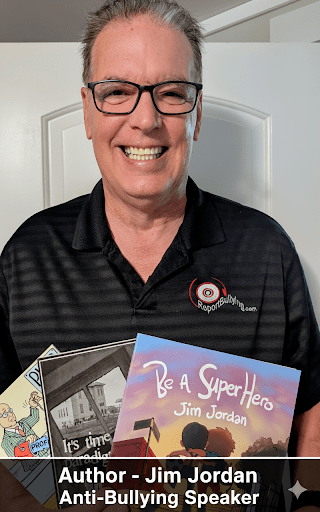
Jim Jordan – Available for Schools Across America
With over 17 years of experience delivering professional anti-bullying assembly programs, Jim Jordan brings a proactive approach focused on prevention, audience participation, and lasting behavioral change. Whether you’re searching for local anti-bullying speakers or need a proven expert to serve your school, Jim’s engaging presentations create safer, more inclusive school communities.
✓ High Audience Participation
Interactive assemblies that keep students of all ages engaged and learning
✓ Proactive Prevention Approach
Focus on building positive behaviors before problems develop
✓ 17+ Years Experience
Trusted by schools nationwide since 2008
✓ Certified Expert
Health and Human Services Certified
✓ Mental Health Academy
Certified by Mental Health Academy
✓ Quest Education System
Certified educational programming
✓ NJ HIB Certified
New Jersey Harassment, Intimidation, and Bullying specialist
✓ Nationwide Availability
Serving elementary, middle, and high schools across the United States
Contact Us to Book Jim Jordan for Your School
Email: office@reportbullying.com
Phone: 1-866-333-4553
Why Schools Choose Jim Jordan
- Evidence-based content aligned with SEL and PBIS frameworks
- Age-appropriate programs for all grade levels
- Comprehensive supplementary materials included
- Professional, reliable service from booking to follow-up
- Positive, proactive messaging that empowers students
- Interactive presentations with high student engagement
- Proven track record of creating lasting school culture change
- Optional teacher training and parent programs available
Jim’s Program Includes
- Customized presentations for your school’s specific needs
- All grade levels: elementary, middle, and high school
- Addresses physical, verbal, social, and cyberbullying
- Bystander intervention and upstander strategies
- Empathy building and diversity awareness
- Teacher discussion guides and classroom activities
- Student handouts and take-home resources
- Posters and visual materials for display
- Parent information and family engagement resources
Learn More About Our Programs
About ReportBullying | School Programs | Blog | Testimonials