Anti-Bullying Speaker with Social Emotional Learning Program
CASEL-Aligned SEL Programs That Address Root Causes
Anti-bullying speakers incorporating Social Emotional Learning (SEL) frameworks provide comprehensive programs addressing root causes of bullying while building positive skills students need throughout life. SEL-integrated speakers don't simply tell students not to bully; they develop self-awareness, self-management, social awareness, relationship skills, and responsible decision-making that prevent bullying naturally while enhancing overall student wellbeing.
Understanding Social Emotional Learning
Social Emotional Learning encompasses five core competencies established by the Collaborative for Academic, Social, and Emotional Learning (CASEL). These competencies directly relate to bullying prevention and create the foundation for positive school culture.
Self-Awareness
Recognizing emotions, understanding personal strengths and weaknesses, and developing self-confidence. Students with strong self-awareness recognize how their actions affect others.
Self-Management
Controlling impulses, managing stress, setting goals, and demonstrating discipline. Those skilled in self-management control aggressive impulses and regulate emotions.
Social Awareness
Understanding diverse perspectives, showing empathy, and recognizing social norms. Socially aware students empathize with potential victims and understand impact.
Relationship Skills
Communication, cooperation, conflict resolution, and help-seeking abilities. Strong relationship skills enable positive peer interactions and healthy connections.
Responsible Decision-Making
Evaluating consequences, considering ethics, and making constructive choices. Helps students choose kindness over cruelty in critical moments.
Benefits of SEL-Integrated Anti-Bullying Programs
Addressing Underlying Causes
Traditional anti-bullying programs often focus on rules and consequences without developing skills preventing bullying naturally. SEL approaches build capacities enabling students to manage emotions, resolve conflicts constructively, and form positive relationships that make bullying less likely.
Broader Skill Development
Broader skill development benefits students beyond bullying contexts. SEL competencies improve academic performance, mental health, behavior, and long-term life outcomes. Schools investing in SEL-integrated programs gain multiple returns including reduced disciplinary issues, improved climate, and enhanced student success across domains.
Alignment with Educational Priorities
Alignment with educational priorities integrates bullying prevention into broader school improvement efforts. Many states mandate SEL instruction, and schools already implementing SEL frameworks benefit from speakers reinforcing rather than adding to existing initiatives.
What SEL-Focused Speakers Provide
Comprehensive Content Coverage
Comprehensive content addresses all five SEL competencies within bullying prevention context. Speakers teach students to recognize emotions triggering aggressive or mean behavior, manage those feelings constructively, understand how actions impact others emotionally, build positive peer relationships, and make choices aligned with values of kindness and respect.
Practical Skill-Building
Practical skill-building distinguishes SEL speakers from those delivering primarily motivational messages. Quality programs include activities teaching specific techniques like breathing exercises for emotional regulation, active listening practice for relationship building, or perspective-taking exercises developing empathy.
Framework Alignment
Framework alignment ensures programs complement school SEL initiatives. Top speakers explicitly reference CASEL competencies, use consistent terminology with classroom SEL instruction, and provide materials helping teachers connect assembly content to ongoing lessons.
Trauma-Informed Approaches
Trauma-informed approaches recognize many students exhibiting bullying behaviors have experienced trauma affecting emotional regulation and social skills. SEL-focused speakers address these underlying issues compassionately while maintaining accountability for harmful actions.
Selecting SEL-Integrated Speakers
- Verify Genuine SEL Expertise: Request specific information about how programs incorporate CASEL competencies. Ask speakers to explain their understanding of SEL frameworks and how assemblies address each component.
- Review Content Outlines: Programs should teach specific techniques students can practice immediately, not just discuss competencies abstractly. Look for concrete activities developing self-awareness, emotional management, empathy, communication, or decision-making.
- Check Credentials: Speakers with backgrounds in school counseling, social work, psychology, or education often possess deeper SEL knowledge. Some hold specific SEL implementation certifications through CASEL or other organizations.
- Assess Supplementary Materials: Quality speakers provide resources helping teachers continue SEL skill development after assemblies including lesson plans, activity ideas, or assessment tools measuring competency growth.
Program Components and Structure
Self-Awareness Activities
Help students identify emotions and triggers. Exercises where students name feelings associated with bullying scenarios, recognize physical sensations indicating anger or fear, or reflect on personal values guiding behavior choices.
Self-Management Strategies
Provide practical emotional regulation tools. Programs teach techniques like deep breathing, counting to ten, visualization, positive self-talk, or taking breaks when frustrated.
Social Awareness Development
Build empathy and perspective-taking through stories, role-plays, or videos helping students understand experiences of those different from themselves.
Relationship Skill Instruction
Teach communication, cooperation, and conflict resolution. Demonstrate active listening, assertive communication, compromise strategies, and respectful disagreement.
Decision-Making Frameworks
Guide behavioral choices through processes considering consequences for self and others, identifying alternatives, and evaluating options against personal values.
Integration with School SEL Initiatives
Coordination with School Staff
Coordinate with school counselors and SEL coordinators ensuring speaker content complements existing programs. Share information about your SEL curriculum, terminology used, and current focus areas. Quality speakers customize presentations reinforcing rather than contradicting ongoing instruction.
Strategic Scheduling
Schedule assemblies strategically within SEL implementation timelines. Programs work well introducing new competency units, reinforcing mid-year learning, or celebrating year-end growth. Timing speakers to align with classroom SEL lessons maximizes coherence.
Professional Development for Teachers
Use speaker programs as professional development for teachers. Many SEL-focused speakers offer educator workshops demonstrating techniques teachers can incorporate into daily instruction. This capacity-building extends impact beyond student assemblies.
Measuring SEL and Bullying Outcomes
Pre and Post-Assembly Assessments
Pre and post-assembly assessments measure both SEL competency growth and bullying-related outcomes. Tools might evaluate self-reported emotional regulation skills, empathy levels, conflict resolution confidence, alongside bullying awareness, bystander intentions, and experiences with harassment.
Behavioral Observations
Behavioral observations track real-world application. Teachers document changes in peer interactions, conflict resolution attempts, emotional management demonstrations, and prosocial behaviors following programs. These observations validate whether assembly content transfers to actual situations.
Long-Term Impact Tracking
Schools implementing comprehensive SEL programs including speaker components should monitor whether bullying incidents decrease as students develop social-emotional competencies over time. This data demonstrates program effectiveness and justifies continued investment.
Teacher and Family Engagement
Teacher Preparation
Teacher preparation helps educators reinforce SEL messages. Pre-assembly materials should explain SEL competencies addressed, preview activities students will experience, and suggest follow-up lessons connecting assembly content to classroom instruction.
Family Resources
Family resources extend SEL skill development into homes. Speakers might provide parent handouts explaining competencies, suggesting home activities practicing skills, or offering tips for supporting children's emotional development. When families understand and reinforce SEL, students benefit from consistent messaging.
Special Considerations for Different Ages
Developmental Adaptations:
- Elementary Programs: Use concrete, simple language and activities. Young children learn to name emotions using feeling faces, practice calming techniques through guided breathing, and develop empathy through stories and puppets. Skills remain basic and highly scaffolded.
- Middle School Programs: Address increasingly complex emotional experiences. Adolescents explore identity development, peer pressure, social media impacts on self-esteem, and navigating complicated relationships. SEL instruction becomes more sophisticated matching developmental capabilities.
- High School Programs: Emphasize advanced application and leadership. Help teens transfer skills to challenging real-world situations, advocate for inclusive policies, mentor younger students, and prepare for post-secondary environments requiring strong social-emotional competencies.
Costs and Funding
SEL-integrated speakers may charge slightly higher fees reflecting specialized training and comprehensive content. Expect $1,800-$6,000 for quality programs compared to $1,500-$5,000 for general anti-bullying speakers. Enhanced materials and teacher resources often justify premium pricing.
Research-Based Practices
Evidence-Based Approaches
Evidence-based speakers reference research supporting their approaches. They should cite studies demonstrating SEL program effectiveness, explain how their content aligns with proven practices, and provide data from schools where they've presented showing positive outcomes.
Continuous Improvement
Continuous improvement characterizes quality programs. SEL-focused speakers update content based on emerging research, gather feedback systematically, and refine approaches according to outcome data rather than maintaining static programs.
Questions to Ask Prospective Speakers
- CASEL Competency Coverage: How specifically do your programs address each CASEL competency? Request concrete examples of activities or content targeting self-awareness, self-management, social awareness, relationship skills, and responsible decision-making.
- SEL Training and Credentials: What SEL training or credentials do you hold? Understand their educational background and professional development related to social-emotional learning implementation.
- Developmental Adaptations: How do programs adapt for different developmental stages? SEL application differs significantly across age groups, and speakers should articulate how they modify content appropriately.
- Follow-Up Materials: What follow-up materials support continued SEL skill development? Comprehensive programs include resources helping schools sustain SEL instruction after speakers leave.
Long-Term Implementation
Single speaker visits provide valuable boosts but comprehensive SEL implementation requires sustained effort. Use speakers as catalysts launching or reinvigorating broader initiatives including regular classroom SEL instruction, schoolwide culture building, and systematic competency development.
Annual Speaker Rotations
Annual speaker rotations maintain momentum focusing on different competencies or grade levels each year. Multi-year planning ensures all students encounter SEL-focused anti-bullying messages multiple times throughout school careers.
USA's #1 Anti-Bullying SEL Speaker
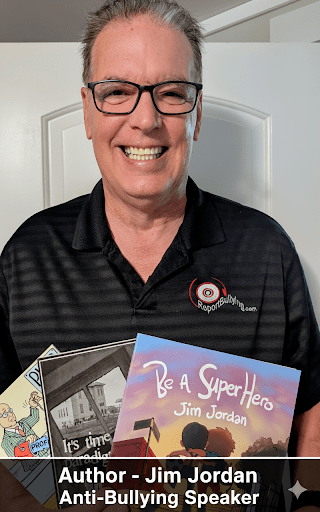
Proactive SEL Approach
Empowering students with Social Emotional Learning competencies and practical prevention strategies that address root causes of bullying
Audience Participation
Highly interactive, CASEL-aligned presentations that actively engage students in developing critical social-emotional skills
17+ Years Experience
Over 17 years of specialized experience integrating SEL frameworks into effective bullying prevention programs nationwide
Certified SEL Expert
Professionally certified by Health and Human Services, Mental Health Academy, Quest Education System, and NJ HIB specialist
Contact Us Today
Book SEL ProgramConclusion
Anti-bullying speakers incorporating Social Emotional Learning frameworks provide comprehensive programming addressing root causes while building skills benefiting students lifelong. By developing self-awareness, emotional management, empathy, relationship capabilities, and decision-making, SEL-integrated programs create conditions where bullying naturally decreases as students gain competencies for positive social interaction.
Schools prioritizing speakers with genuine SEL expertise, aligning programs with existing initiatives, and committing to sustained implementation maximize both bullying prevention and broader student development outcomes. This holistic approach represents best practice in creating safe, supportive learning environments where all students develop social-emotional competencies essential for success in school and life.
Transform Your School with SEL-Integrated Programming
Partner with a certified expert who combines CASEL-aligned Social Emotional Learning frameworks with proven bullying prevention strategies. Our comprehensive programs don't just address symptoms—they build the foundational competencies students need for lifelong success. Contact us today to discuss how our SEL-integrated approach can create lasting positive change in your school community.