Anti-Bullying & Mental Health Speaker for Wisconsin Schools
Building Resilient Communities Across the Badger State
Empowering Wisconsin Schools with Comprehensive Student Support
Wisconsin schools have long been recognized for their strong academic programs and commitment to student development. As districts across the Badger State work to create safe, supportive learning environments, the integration of anti-bullying education with mental health awareness has become essential. Professional speakers who specialize in these interconnected areas provide Wisconsin schools with evidence-based programming that addresses both the behavioral aspects of bullying and the underlying emotional factors that contribute to student well-being and school safety.
From urban districts in Milwaukee and Madison to rural communities throughout the state, Wisconsin educators understand that students cannot reach their full academic potential when they’re struggling with bullying, anxiety, depression, or other social-emotional challenges. Professional anti-bullying and mental health speakers bring expertise, engaging presentations, and practical strategies to schools across Wisconsin, inspiring students to build cultures of respect while developing the emotional resilience they need to navigate life’s challenges successfully.
The Critical Link Between Bullying Prevention and Mental Health
Research consistently demonstrates the powerful connection between bullying and mental health challenges. Students who experience bullying are at significantly higher risk for developing anxiety, depression, low self-esteem, and other psychological difficulties. Conversely, students struggling with mental health issues may become targets for bullying or may engage in bullying behaviors as unhealthy coping mechanisms for their own emotional pain.
Wisconsin schools that address these issues in isolation miss critical opportunities for comprehensive intervention. Professional speakers who integrate anti-bullying education with mental health awareness provide holistic programming that helps students understand that behavior and emotions are interconnected, mental health affects how we treat ourselves and others, seeking help is a sign of strength and self-awareness, everyone struggles sometimes and deserves support and compassion, and creating safe schools requires attention to both physical and emotional safety. This integrated approach creates more comprehensive support systems that benefit all students, not just those directly involved in bullying situations.
Serving Communities Throughout Wisconsin
Wisconsin’s diverse geography and demographics create unique contexts for each school community. From Lake Michigan shoreline cities to Mississippi River towns, from dairy farming communities to urban centers, professional speakers adapt their presentations to resonate with local values while delivering universal messages about respect, resilience, and mental wellness.
Milwaukee
Wisconsin’s largest city receives comprehensive programming addressing the complex social dynamics and mental health needs of diverse urban student populations.
Madison
The capital city’s schools benefit from evidence-based presentations that integrate well with existing social-emotional learning initiatives.
Green Bay
Northeast Wisconsin districts engage with dynamic speakers who understand both urban and small-town school communities.
Kenosha
Southeast Wisconsin schools receive programming focused on building resilience and creating supportive peer communities.
Racine
Lake Michigan communities implement strategies that address both traditional bullying and cyberbullying challenges.
Appleton
Fox Valley schools embrace comprehensive safe school programs that promote mental health awareness alongside bullying prevention.
Waukesha
Southeastern Wisconsin districts benefit from presentations that address achievement pressure and student stress management.
Eau Claire
Western Wisconsin communities receive culturally responsive programming tailored to the specific needs of their student populations.
Age-Appropriate Programming for Every Grade Level
Effective education about bullying and mental health must be tailored to students’ developmental stages. Professional speakers design specialized presentations for each grade level, ensuring that content resonates appropriately and inspires genuine behavioral and attitudinal change.
Primary and Elementary School Programs
Young Wisconsin students participate in engaging, interactive presentations that introduce foundational concepts about emotions, kindness, and healthy relationships. Elementary programs help children learn to identify and express their feelings appropriately, understand that everyone has emotions that deserve respect, recognize kind versus unkind behavior, include others and make new friends feel welcome, and know when and how to ask trusted adults for help. These early interventions establish social-emotional competencies that benefit students throughout their educational journey and lay the groundwork for positive mental health practices.
Middle School Presentations
The middle school years bring unique challenges as students navigate puberty, social hierarchy, increasing independence, and emerging digital identities. Programs for this critical age group address the connection between emotions, stress, and behavior, strategies for managing anxiety and peer pressure, cyberbullying and responsible social media use, recognizing warning signs in themselves and peers, how to support friends who may be struggling, and when it’s important to involve trusted adults. Speakers help pre-teens understand that experiencing difficult emotions is normal and that asking for help demonstrates maturity and wisdom.
High School Assemblies
Teenage students engage with sophisticated content exploring mental health challenges affecting their generation, the long-term impact of bullying on all parties involved, leadership and creating positive school cultures, managing academic pressure and college preparation stress, supporting peers while maintaining healthy boundaries, and recognizing when professional help is needed. High school programs challenge older students to become advocates for mental health awareness and to use their influence positively within their school communities.
Wisconsin Values and Student Well-Being
Wisconsin communities are built on strong Midwestern values of hard work, community support, resilience, and looking out for neighbors. Professional speakers who understand these cultural foundations can effectively integrate anti-bullying and mental health messaging with values that Wisconsin families already hold dear. Students learn that supporting peers’ mental health aligns with Wisconsin values of community care, speaking up against bullying demonstrates the courage Wisconsinites are known for, asking for help when struggling shows the wisdom to accept community support, and creating inclusive schools reflects Wisconsin’s commitment to fairness and opportunity for all.
This values-based approach helps students see that anti-bullying efforts and mental health awareness aren’t external impositions but natural extensions of the community values they’ve been taught at home and in their Wisconsin communities.
Addressing Rural and Urban Needs
Wisconsin’s mix of urban centers, suburban communities, and rural areas creates diverse contexts for student mental health and bullying prevention. Urban students may face challenges related to violence exposure, poverty, and navigating large school systems, while rural students might struggle with isolation, limited access to mental health services, and the challenges of everyone knowing everyone in tight-knit communities. Professional speakers adapt their presentations to address these varying contexts while maintaining core messages about respect, resilience, and support.
For rural Wisconsin schools with limited access to mental health professionals, speakers provide essential education about recognizing warning signs, basic coping strategies, and how to access telehealth and other remote resources. For urban schools dealing with complex social dynamics, presentations address navigating diverse communities, managing multiple stressors, and building supportive networks within large school populations.
Seasonal Challenges and Mental Health Awareness
Wisconsin’s dramatic seasonal changes present unique mental health considerations that professional speakers can address. Long, cold winters can contribute to seasonal affective disorder and feelings of isolation, particularly when outdoor activities become limited. Speakers help students understand the impact of weather and seasonal changes on mood and energy, strategies for maintaining mental wellness during winter months, the importance of staying connected with friends and activities, and recognizing when winter blues become more serious mental health concerns. This Wisconsin-specific awareness helps students understand that their environment affects their emotional well-being and provides them with practical strategies for staying mentally healthy year-round.
Engaging Parents and Educators in Mental Health Support
Supporting student mental health and preventing bullying requires coordinated efforts from the entire school community. Professional speakers offer valuable programming for Wisconsin parents and educators that complements student presentations and creates consistent, supportive messaging across all aspects of students’ lives.
Parent Workshops
Family engagement sessions help Wisconsin parents understand warning signs that a child may be struggling with mental health or bullying issues, effective communication strategies for discussing difficult topics, the difference between typical teenage moodiness and concerning mental health symptoms, local and online resources for mental health support, how to balance supporting children while encouraging independence, and ways to build emotional resilience at home. These workshops empower parents to be proactive, informed partners in their children’s well-being.
Professional Development for Educators
Training sessions for teachers and staff provide Wisconsin educators with trauma-informed teaching practices, techniques for creating emotionally safe classrooms, strategies for identifying students who may need additional support, appropriate responses to bullying that consider mental health factors, referral processes for connecting students with mental health services, and self-care practices to prevent educator burnout. When teachers receive this specialized training, they become more effective at supporting students’ holistic development while maintaining their own well-being.
Building Resilience in Wisconsin Students
Wisconsin’s history and culture emphasize resilience, perseverance, and working through difficult challenges. Professional speakers build on these cultural strengths while teaching students practical resilience skills including growth mindset and viewing challenges as opportunities, healthy coping strategies for stress and difficult emotions, problem-solving approaches for interpersonal conflicts, building and maintaining supportive relationships, positive self-talk and challenging negative thought patterns, and knowing when to seek help rather than struggling alone. These evidence-based resilience skills empower Wisconsin students to bounce back from setbacks, manage stress effectively, and maintain positive mental health even when facing difficulties.
Creating Supportive School Climates
School climate significantly impacts both bullying rates and student mental health. Schools with positive climates characterized by respect, inclusion, and supportive relationships experience fewer bullying incidents and better mental health outcomes. Professional speakers help Wisconsin schools strengthen their climates by inspiring students to embody respectful behavior, empowering student leaders to model positive peer relationships, establishing shared language around mental health and support, creating cultures where seeking help is normalized and encouraged, and celebrating students who demonstrate kindness and inclusion.
These cultural shifts create environments where all students feel safe, valued, and supported—essential conditions for both academic success and positive mental health.
Measurable Outcomes in Wisconsin Schools
Wisconsin schools that invest in comprehensive anti-bullying and mental health programming consistently report significant positive outcomes including reduced bullying incidents and behavioral referrals, increased student help-seeking when facing challenges, improved school climate survey results, enhanced peer relationships and collaborative learning, decreased absenteeism related to anxiety or bullying concerns, and better academic performance as students feel safer and more supported. Beyond these immediate metrics, students develop lasting competencies in emotional intelligence and self-awareness, healthy relationship building and conflict resolution, stress management and coping strategies, empathy and compassion for others, and self-advocacy and knowing when to seek help. These skills serve Wisconsin students throughout their lives, contributing to healthier individuals and stronger communities.
Aligning with Wisconsin Educational Standards
Professional anti-bullying and mental health programming aligns with Wisconsin’s comprehensive approach to education, supporting state standards for social-emotional learning, health education requirements around mental health and wellness, bullying prevention mandates and best practices, character education initiatives, and trauma-informed school practices. Speakers work with districts to ensure programming complements existing initiatives and meets state expectations while providing the engaging, memorable experiences that inspire genuine student growth and behavioral change.
Featured Anti-Bullying & Mental Health Speaker
Jim Jordan – Transforming Schools Across America
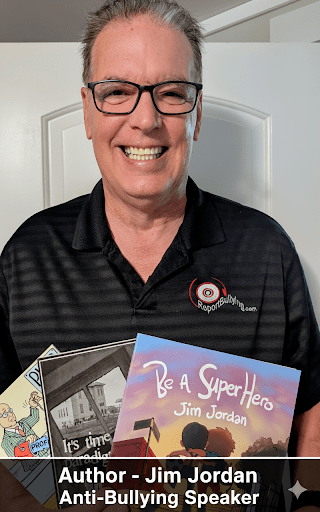
Anti-bullying speaker Jim Jordan and his team have created a comprehensive safe school program that has positively transformed thousands of students, parents, and teachers across the United States. With unwavering dedication to student safety and emotional well-being, Jim Jordan has been traveling non-stop, delivering powerful, life-changing presentations that inspire genuine, lasting transformation in school communities nationwide.
The Jim Jordan Safe School Program offers specialized, action-packed presentations designed specifically for students from Primary, Elementary, Middle, and High School levels. Each presentation is meticulously crafted to be developmentally appropriate while delivering impactful messages about anti-bullying and creating safe school environments where every student can thrive academically, socially, and emotionally.
What distinguishes Jim Jordan is his exceptional ability to connect authentically with students across diverse backgrounds and communities, including the varied urban, suburban, and rural contexts found throughout Wisconsin. His presentations combine compelling storytelling with interactive elements that fully engage audiences, creating memorable experiences that resonate long after the assembly concludes and inspire students to make positive changes in their daily lives.
Jim’s integrated approach addresses both bullying prevention and mental health awareness, recognizing that these issues are deeply interconnected. His presentations help students understand that everyone faces challenges and struggles, treating others with kindness and compassion is always the right choice, asking for help when struggling demonstrates strength and wisdom, they have the power to positively impact their school communities, and supporting peers’ mental health is everyone’s responsibility. This holistic approach creates comprehensive support systems that benefit all students.
Wisconsin schools that have hosted Jim Jordan’s programs report remarkable transformations in school culture and student well-being. Students leave his assemblies feeling inspired, empowered, and equipped with practical strategies to stand up against bullying while also taking care of their own mental health and supporting their peers. Teachers observe meaningful improvements in classroom dynamics, peer interactions, and students’ emotional awareness.
Parents throughout Wisconsin consistently praise how Jim’s programs open important conversations at home about managing emotions, treating others with respect, recognizing when friends need support, and knowing when to ask for help. His presentations create shared understanding and language that bridges school and home environments, making it easier for families to support their children’s social-emotional development.
With extensive experience presenting to diverse audiences across the nation, Jim Jordan deeply understands the unique challenges facing today’s students, from cyberbullying and social media pressures to anxiety and depression. His programs provide practical, evidence-based strategies that students can implement immediately, empowering them to take control of their own well-being while building supportive communities around them.
The comprehensive nature of the Jim Jordan Safe School Program makes it an ideal solution for Wisconsin districts seeking to create meaningful, sustainable change in their school cultures. The program provides schools with ongoing resources and strategies for reinforcement, ensuring that the positive impact extends throughout the academic year and becomes integrated into daily school life.
Jim’s presentations can be adapted to address specific concerns or goals your Wisconsin school or district may have, whether that’s addressing cyberbullying, supporting rural communities with limited mental health resources, managing seasonal mental health challenges, or any other area of focus. This flexibility ensures maximum relevance and impact for your particular school community.
Bring Jim Jordan to Your Wisconsin School – 1-866-333-4553Investment in Wisconsin’s Future
Supporting student mental health and preventing bullying represents an investment in Wisconsin’s future. Today’s students are tomorrow’s workers, leaders, parents, and community members. By equipping them with emotional intelligence, resilience skills, and commitment to treating others with respect, schools are building stronger communities and a healthier Wisconsin for generations to come.
The relatively modest investment in professional anti-bullying and mental health programming yields substantial returns in the form of reduced crisis interventions and disciplinary issues, improved academic outcomes and graduation rates, enhanced school reputation and community support, healthier, happier students who reach their full potential, and alumni who carry positive values throughout their lives. These benefits extend far beyond individual schools to strengthen Wisconsin families, workplaces, and communities.
Taking Action for Wisconsin Students
Every student in Wisconsin deserves to learn in an environment that supports their complete well-being—academically, socially, and emotionally. Whether your school serves students in Milwaukee, Madison, Green Bay, or any community across the Badger State, professional anti-bullying and mental health programming is available to help you create the safe, supportive environment where all students can flourish.
The most effective approach is proactive prevention rather than reactive crisis management. Don’t wait for serious incidents or mental health crises before investing in comprehensive education and support. Engaging, professional presentations can prevent problems before they escalate, strengthen already-positive school cultures, and equip students with the skills they need to navigate challenges successfully throughout their lives.
Wisconsin has a proud tradition of strong public education and community values. Professional anti-bullying and mental health speakers help schools honor these traditions while addressing contemporary challenges that previous generations never faced. By combining timeless values with current best practices, these programs prepare Wisconsin students for success in an increasingly complex world.
Contact a professional speaker today to explore how customized programming can address your school’s specific needs and help you fulfill Wisconsin’s commitment to developing the whole child. Together, we can create school communities where every student feels safe, supported, valued, and empowered to reach their full potential while supporting their peers in doing the same.