Anti-Bullying & Mental Health School Speaker in West Virginia
Supporting Student Well-Being Across the Mountain State
Addressing Critical Needs in West Virginia Schools
West Virginia schools face unique challenges when it comes to student mental health and bullying prevention. As rural communities grapple with limited mental health resources and urban areas confront complex social dynamics, the need for comprehensive, professional programming has never been more urgent. Anti-bullying and mental health speakers provide essential support to schools across the Mountain State, delivering powerful messages that address both the behavioral aspects of bullying and the underlying emotional and psychological factors that contribute to these harmful behaviors.
The intersection of bullying and mental health cannot be ignored. Students who experience bullying often struggle with anxiety, depression, low self-esteem, and other mental health challenges. Similarly, students dealing with mental health issues may become targets for bullying or may act out in ways that harm others. Professional speakers who understand this complex relationship bring holistic approaches to West Virginia schools, addressing not just the symptoms but the root causes of bullying while promoting overall student wellness and emotional resilience.
The Mental Health Crisis in Schools
West Virginia, like communities across America, has witnessed a significant increase in student mental health concerns over recent years. Anxiety, depression, social isolation, and trauma affect students’ ability to learn, build healthy relationships, and reach their full potential. When combined with bullying, these challenges can become overwhelming for young people who may not have the coping skills or support systems to navigate difficult situations effectively.
Professional speakers who specialize in both anti-bullying education and mental health awareness provide West Virginia schools with integrated programming that addresses these interconnected issues. These presentations help students understand that mental health is just as important as physical health, reduce stigma around seeking help, recognize warning signs in themselves and peers, develop healthy coping strategies for stress and difficult emotions, and understand the connection between their behavior and others’ mental well-being. By addressing mental health alongside bullying prevention, these programs create more comprehensive support systems for all students.
Serving Communities Across West Virginia
From the Appalachian mountains to the Ohio River valley, West Virginia’s diverse communities each face distinct challenges related to student well-being and school safety. Professional speakers travel throughout the state, adapting their messages to resonate with local contexts while maintaining universal themes of compassion, resilience, and mutual support.
Charleston
The capital city’s schools receive comprehensive programming addressing bullying prevention and mental health awareness for diverse student populations.
Huntington
Cabell County schools benefit from dynamic presentations focused on building resilience and creating supportive peer communities.
Morgantown
North-central West Virginia districts engage with evidence-based programs that promote both physical and emotional safety in schools.
Parkersburg
Mid-Ohio Valley schools implement strategies that address trauma-informed approaches to bullying prevention and student support.
Wheeling
Northern Panhandle communities embrace programs that connect mental health resources with anti-bullying education.
Martinsburg
Eastern Panhandle schools receive presentations that address the unique challenges of rapidly growing communities.
Beckley
Southern West Virginia districts benefit from culturally responsive programming that honors community values while promoting student wellness.
Clarksburg
North-central communities engage with comprehensive safe school programs tailored to the specific needs of Appalachian youth.
Comprehensive Programming for All Ages
Effective mental health and anti-bullying education must be developmentally appropriate, recognizing that students at different ages face distinct challenges and require different types of support. Professional speakers offer specialized programming for every grade level, ensuring that messages resonate and inspire positive action.
Primary and Elementary School Programs
Young students learn foundational concepts about emotions, feelings, and treating others with kindness. Age-appropriate presentations help children understand that everyone has feelings that deserve respect, identify and express their own emotions in healthy ways, recognize when someone needs help or support, develop empathy by considering how others might feel, and know who to talk to when they feel scared, sad, or worried. These early lessons establish emotional intelligence and social awareness that benefit children throughout their lives.
Middle School Presentations
Pre-teens and early adolescents face increasing social pressures, academic stress, and physical and emotional changes that can feel overwhelming. Programs for this age group address the connection between stress, emotions, and behavior, strategies for managing anxiety and difficult feelings, the impact of social media on mental health and self-esteem, how to support friends who may be struggling, and when and how to seek help from trusted adults. Speakers help middle schoolers understand that experiencing difficult emotions is normal and that asking for help is a sign of strength, not weakness.
High School Assemblies
Older students explore more complex topics related to mental health, including depression, anxiety disorders, substance abuse as unhealthy coping, the importance of building supportive relationships, and planning for future well-being and success. High school programs also address the serious consequences of bullying, including its impact on victims’ mental health, and challenge students to become advocates for creating supportive school cultures where everyone can thrive.
Breaking Down Stigma and Building Support Systems
One of the most significant barriers to addressing mental health in schools is the persistent stigma that prevents students from seeking help when they need it. Many young people fear being judged, labeled, or treated differently if they admit to struggling with their mental health. Professional speakers work to dismantle this stigma by normalizing conversations about mental wellness, sharing relatable stories that help students feel less alone, providing accurate information that dispels myths and misconceptions, modeling vulnerability and openness about emotional challenges, and emphasizing that seeking help is courageous and smart.
These presentations create school environments where students feel safe discussing their struggles and where peers understand the importance of supporting one another rather than tearing each other down. When students learn that mental health challenges are common and treatable, they become more likely to seek help early before problems escalate into crises.
West Virginia’s Unique Challenges and Strengths
West Virginia faces specific challenges that make comprehensive mental health and anti-bullying programming particularly crucial. Rural isolation can limit access to mental health services, economic hardships create additional stressors for families and students, the opioid crisis has affected many communities and families, and geographic barriers can make it difficult for students to access support. However, the Mountain State also possesses remarkable strengths that speakers can help amplify, including strong community bonds and values of neighbor-helping-neighbor, resilience and determination characteristic of Appalachian culture, caring educators deeply committed to student well-being, and growing awareness of the importance of mental health support.
Professional speakers who understand West Virginia’s unique context can address these challenges while building on community strengths, creating programming that feels relevant and achievable rather than disconnected from students’ lived experiences. They help schools leverage existing resources while connecting students with available support services.
Engaging Parents and Educators
Supporting student mental health and preventing bullying requires coordinated efforts from the entire school community. Professional speakers offer valuable programming for parents and educators that complements student presentations and creates consistent messaging across all aspects of students’ lives.
Parent workshops help families understand warning signs that a child may be struggling with mental health issues, effective communication strategies for discussing difficult topics, how to support children who experience or perpetrate bullying, local and online resources for mental health support, and ways to build emotional resilience at home. These sessions empower parents to be proactive partners in supporting their children’s emotional well-being.
Professional development for teachers provides educators with trauma-informed teaching practices, strategies for creating emotionally safe classrooms, techniques for recognizing and responding to mental health concerns, approaches to addressing bullying that consider underlying emotional factors, and self-care practices to prevent educator burnout. When teachers receive this specialized training, they become more effective at supporting students’ holistic development.
The Connection Between Bullying and Mental Health
Understanding the bidirectional relationship between bullying and mental health is essential for creating effective interventions. Students who experience bullying are at significantly higher risk for developing anxiety, depression, and other mental health challenges. The constant stress of feeling unsafe or targeted can have profound effects on young people’s emotional well-being, academic performance, and overall quality of life.
Conversely, students struggling with mental health issues may be more vulnerable to becoming targets of bullying, as peers sometimes exploit visible differences or perceived weaknesses. Additionally, some students dealing with untreated mental health challenges may engage in bullying behaviors as unhealthy ways of coping with their own pain or exerting control over their environment.
Professional speakers address this complex relationship by helping students understand that everyone is fighting battles others may not see, teaching compassion as a response to difficult behavior rather than judgment or retaliation, providing healthy coping strategies that don’t involve hurting others, and encouraging students to seek help for themselves or friends who may be struggling. This integrated approach addresses both bullying prevention and mental health promotion simultaneously, creating more comprehensive support for all students.
Building Resilience and Coping Skills
While preventing bullying and promoting mental health awareness are crucial, equipping students with practical resilience and coping skills may be equally important for long-term well-being. Professional speakers teach students actionable strategies they can use when facing difficult situations or experiencing challenging emotions.
These evidence-based techniques include mindfulness and breathing exercises to manage anxiety, positive self-talk to counter negative thoughts, healthy ways to express and process difficult emotions, problem-solving approaches for navigating conflicts, and building and maintaining supportive relationships. By providing students with a toolkit of coping strategies, speakers empower them to handle challenges more effectively rather than feeling helpless when problems arise.
Creating Lasting Change in School Culture
The most successful anti-bullying and mental health programs create sustainable changes in school culture that persist long after the initial presentation. Professional speakers work with West Virginia schools to develop comprehensive strategies that include ongoing reinforcement of key messages, integration of mental health and anti-bullying themes into curriculum, establishment of peer support programs and student leadership opportunities, connection with community mental health resources and services, and regular assessment of school climate and program effectiveness.
This sustained approach ensures that addressing bullying and mental health becomes an integral part of school culture rather than a one-time event. Schools that commit to this comprehensive vision see lasting improvements in student well-being, behavior, and academic success.
Measurable Impact on West Virginia Schools
Schools throughout West Virginia that invest in comprehensive anti-bullying and mental health programming report significant positive outcomes. These improvements include reduced bullying incidents and improved student behavior, increased help-seeking behavior when students face challenges, improved school climate and sense of community, decreased stigma around mental health issues, enhanced student resilience and coping abilities, and better academic outcomes as students feel safer and more supported.
Beyond these immediate benefits, students develop lifelong skills in emotional intelligence and self-awareness, healthy relationship building and communication, stress management and resilience, empathy and compassion for others, and advocacy for themselves and their peers. These competencies serve students throughout their lives, contributing to healthier communities across West Virginia.
Featured Anti-Bullying & Mental Health Speaker
Jim Jordan – Creating Safe, Supportive Schools Nationwide
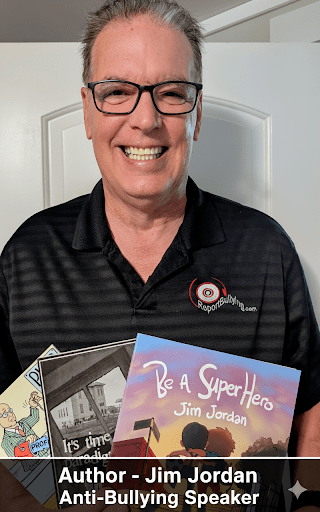
Anti-bullying speaker Jim Jordan and his team have created a comprehensive safe school program that has positively impacted thousands of students, parents, and teachers across the United States. With tireless dedication to student well-being and safety, Jim Jordan has been traveling non-stop, delivering powerful, transformative presentations that inspire genuine change in school communities from coast to coast.
The Jim Jordan Safe School Program offers specialized, action-packed presentations designed specifically for students from Primary, Elementary, Middle, and High School levels. Each presentation is carefully crafted to be developmentally appropriate while delivering impactful messages about anti-bullying and creating safe school environments where every student can thrive emotionally, socially, and academically.
What sets Jim Jordan apart is his exceptional ability to connect authentically with students of all ages and backgrounds, including those in rural and underserved communities like many found throughout West Virginia. His presentations combine compelling storytelling with interactive elements that fully engage audiences and create memorable experiences that resonate long after the assembly ends.
Jim’s approach recognizes the critical connection between bullying prevention and mental health awareness. His presentations address not only the behaviors associated with bullying but also the underlying emotional factors that contribute to both bullying and victimization. He helps students understand that everyone is fighting battles others may not see, promoting compassion and support rather than judgment.
West Virginia schools that have hosted Jim Jordan’s programs report remarkable transformations in school culture and student well-being. Students leave his assemblies feeling inspired, empowered, and equipped with practical strategies to stand up against bullying while also taking care of their own mental health. Teachers observe meaningful improvements in classroom dynamics, peer relationships, and students’ willingness to seek help when facing challenges.
Parents appreciate how Jim’s programs open important conversations at home about emotions, coping with stress, treating others with kindness, and knowing when to ask for help. His presentations create shared language and understanding that bridges school and home environments, making it easier for families to support their children’s emotional development.
With extensive experience presenting to diverse audiences across the nation, Jim Jordan deeply understands the unique challenges facing today’s students, including those specific to Appalachian and rural communities. His programs address traditional bullying, cyberbullying, social media pressures, mental health stigma, and the importance of building supportive communities where everyone looks out for one another.
The comprehensive nature of the Jim Jordan Safe School Program makes it an ideal solution for West Virginia districts seeking to create meaningful, sustainable change in their school cultures. The program provides schools with tools and strategies for ongoing reinforcement, ensuring that the positive impact extends far beyond the day of the presentation.
Bring Jim Jordan to Your West Virginia SchoolInvesting in Student Well-Being
The decision to bring a professional anti-bullying and mental health speaker to your West Virginia school represents a profound investment in the holistic well-being of every student in your community. These programs create powerful, lasting effects that improve school culture, strengthen family communication, reduce crisis situations, and help students develop the emotional skills they need for lifelong success and happiness.
When schools prioritize both bullying prevention and mental health support, they create environments where students feel truly safe, valued, and supported. This foundation enables students to focus their energy on learning, building positive relationships, exploring their interests, and developing their full potential rather than simply surviving day-to-day challenges.
Taking Action for West Virginia’s Students
Every student in West Virginia deserves to attend school in an environment that supports their emotional well-being while protecting them from bullying and harassment. Whether your school serves students in Charleston, Huntington, Morgantown, or any community across the Mountain State, professional programming is available to help you create the safe, supportive environment where all students can flourish.
The most effective approach is proactive rather than reactive. Don’t wait for crisis situations to occur before investing in comprehensive prevention and support programs. Engaging, professional presentations can prevent problems before they escalate while equipping students with the emotional skills and coping strategies they need to navigate challenges successfully.
West Virginia’s students face unique challenges, but they also possess tremendous resilience and potential. With the right support, resources, and education, they can overcome obstacles and achieve remarkable success. Professional anti-bullying and mental health speakers provide the expertise, inspiration, and practical strategies schools need to support this vision.
Contact a professional speaker today to explore how customized programming can address your school’s specific needs and help you fulfill West Virginia’s commitment to supporting the whole child—emotionally, socially, and academically. Together, we can create school communities where every student feels safe, supported, and empowered to reach their full potential.