How to Hire an Elementary Anti-Bullying Speaker in New York City
A kindergarten student and a fifth-grade student should not receive the same anti-bullying presentation. New York City elementary schools looking for a speaker should start by choosing a program that respects the developmental difference between K–2 and grades 3–5.
Ask About a New York City Assembly Call 1-866-333-4553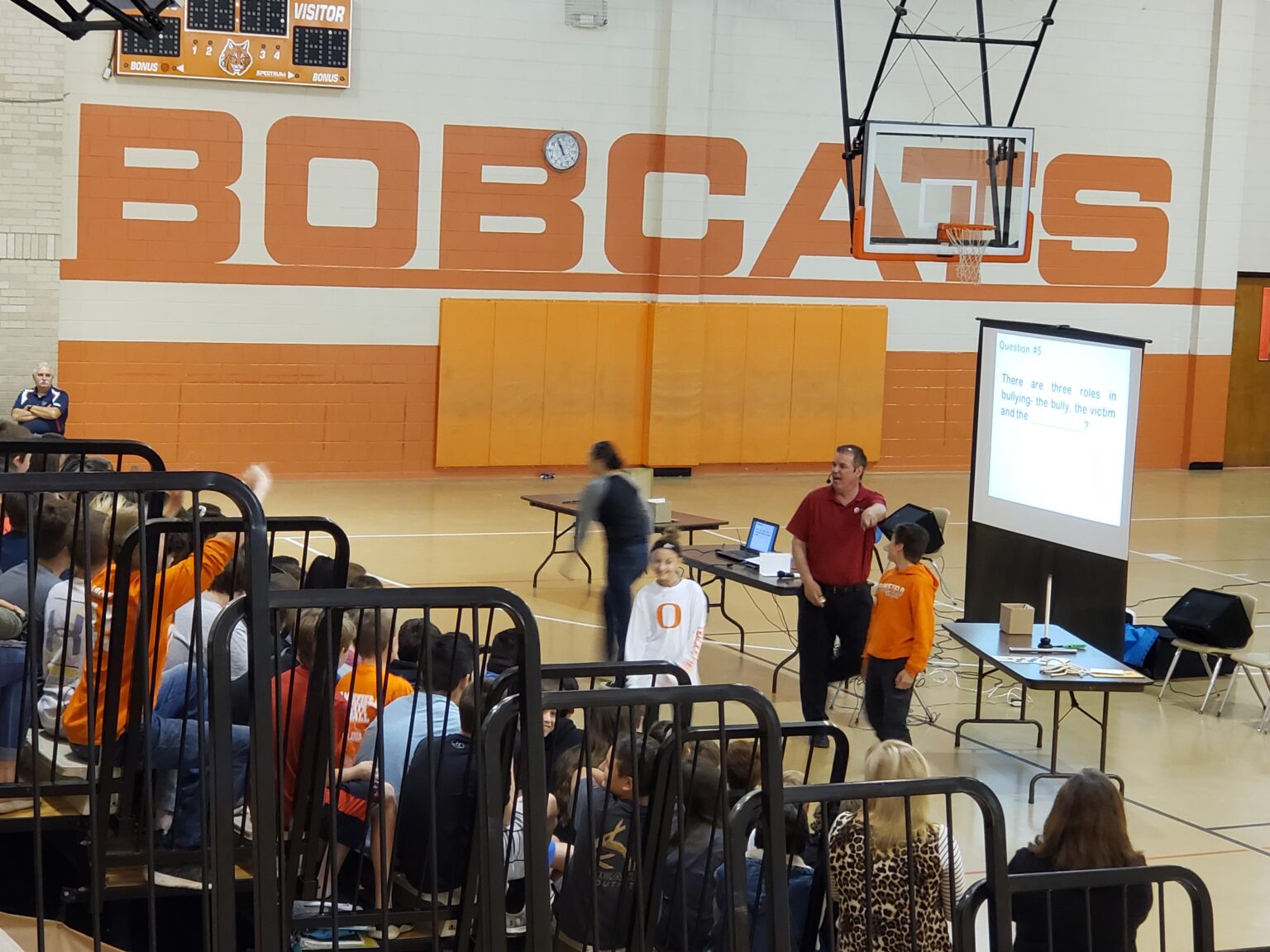
Elementary Students Need More Than a Generic Message About Being Nice
When a New York City principal, counselor, PTA, PTO, or school leadership team begins searching for an elementary anti-bullying speaker, it is easy to focus on the obvious questions: How much does the speaker cost? Is the speaker available? How long is the presentation?
Those questions matter, but another question should come first: is the presentation actually designed for the age of the children who will be sitting in the room?
Kindergarten through grade two students are still learning the foundations of friendship, emotional language, sharing, belonging, asking for help, and understanding how their actions affect other children. Students in grades three through five are entering a much more complex social world. Friendship groups become stronger. Exclusion can become more deliberate. Students notice status, popularity, group approval, teasing, rumors, and the reactions of people watching an incident.
That is why a strong elementary bullying-prevention program should not treat K–5 as one single audience.
What K–2 Students Need From an Anti-Bullying Assembly
For New York City’s youngest elementary students, simple language matters. A primary-school assembly should not overwhelm children with definitions, statistics, or complicated social situations. It should give them a few clear ideas that they can remember when they return to the classroom, playground, lunchroom, bus, or after-school program.
Jim Jordan’s K–2 program, Friends Helping Friends, is designed around that developmental stage. It uses age-appropriate interaction and storytelling to help young children understand friendship, kindness, unkind behavior, speaking up, and getting help from a trusted adult.
One of the most important lessons for a young child is that asking an adult for help is not something to be embarrassed about. Children need to know who they can talk to when they feel unsafe, confused, excluded, threatened, or repeatedly mistreated.
That approach is consistent with guidance from StopBullying.gov , which recommends helping children understand bullying, teaching them safe ways to respond, and making sure they know how to get help.
A good K–2 presentation should help children remember:
- What a good friend looks and sounds like.
- How kind and unkind behavior can affect another person.
- That they can move toward safe people and safe places.
- That they should tell a trusted adult when something keeps happening or feels unsafe.
- That helping another child can be a positive choice.
- That adults at school are there to help them.
Grades 3–5 Need a Different Conversation
By grades three, four, and five, students can understand much more about group behavior. They are able to discuss what happens when someone is targeted and several other students watch, laugh, join in, share the story, walk away, offer support, or report what happened.
This is where the role of the bystander becomes especially important.
Jim Jordan’s grades 3–5 program, Be a Super Hero, moves beyond a basic kindness message. Students are challenged to think about their own choices when bullying or exclusion happens around them. The goal is not to teach children to physically confront another student. The goal is to help them understand safe ways to stop providing an audience for harmful behavior, support a targeted classmate, and report what they see.
The federal bullying-prevention resource StopBullying.gov explains that bystanders can make a positive difference by becoming upstanders. Safe actions can include speaking up, redirecting a situation, supporting the targeted student, moving away from the behavior, or getting help from an adult.
“Be nice because adults told you to.”
The stronger message is:“Your choices influence what happens next. You can refuse to support bullying and you can get help.”
Why New York City Schools Should Separate K–2 and Grades 3–5
A single K–5 assembly may be convenient for scheduling, but convenience should not determine the content children receive.
A first grader may not understand a detailed discussion about social exclusion, group pressure, or online behavior. A fifth grader may tune out a presentation that feels designed for very young children.
Separate age-targeted presentations allow the language, examples, humor, student participation, and expectations to change with the audience.
K–2: Build the Foundation
Focus on friendship, kindness, recognizing when something feels wrong, using clear words, staying safe, and asking a trusted adult for help.
Grades 3–5: Build Responsibility
Focus on exclusion, peer dynamics, bystander choices, reporting, supporting classmates, and age-appropriate awareness of harmful digital behavior.
What Should an NYC Principal Ask Before Hiring a Speaker?
Before booking an anti-bullying school speaker, ask to see how the program is divided by grade level. A professional speaker should be able to explain exactly how the K–2 presentation differs from the grades 3–5 presentation.
Ask whether students simply watch a lecture or participate in the learning. Elementary students often remember an idea more clearly when they are involved through questions, demonstrations, storytelling, movement, humor, or relatable situations.
Ask what students are expected to do after the assembly. The answer should be more specific than “be nicer.”
A useful program should give students behaviors they can act on. That could include refusing to laugh at humiliating behavior, including someone who is being left out, moving toward a classmate who needs support, telling an adult, or recognizing that repeated harmful behavior needs attention.
An Assembly Should Support the School’s Larger Culture
One speaker cannot replace administrators, teachers, counselors, parents, school procedures, supervision, or ongoing classroom work. The strongest way to use an assembly is as one part of a larger school-wide effort.
The CDC describes school connectedness as students feeling that adults and peers at school care about them, support them, and want them to succeed. Strong relationships and a sense of belonging matter to students.
That is why follow-up matters. After an anti-bullying speaker leaves, teachers should still have language they can use with students. Hallway expectations should still be clear. Students should still know where to report a concern. Parents should understand what the school is teaching.
Jim Jordan’s elementary program includes follow-up resources so the message does not have to end when the assembly does.
What Does a Strong Grades 3–5 Upstander Message Look Like?
Upper elementary students need realistic options.
Telling every child to directly confront a student who is bullying someone else is not always safe or appropriate. A better assembly gives children several possible actions and teaches them that getting adult help is a legitimate form of leadership.
Students can learn to avoid becoming the audience. They can refuse to laugh. They can walk with a student who is being excluded. They can privately tell a classmate that what happened was not okay. They can report the situation to a teacher, counselor, administrator, bus driver, coach, or parent.
This gives students agency without putting the entire responsibility for stopping bullying on children.
Should New York City Elementary Schools Wait Until There Is a Major Problem?
There is no reason a school has to wait for a serious incident before teaching students how to recognize and respond to bullying.
Proactive education can establish shared language before the school needs it during a difficult situation. Students can learn what reporting means before they have something to report. Teachers can reinforce the same ideas in their classrooms. Families can hear similar language at home.
That makes the assembly part of prevention rather than simply a reaction.
Consider the Entire Elementary Community
New York City schools serve children with different personalities, backgrounds, abilities, communication styles, and social experiences. A bullying-prevention message should not assume every student will respond the same way.
Some children will speak up quickly. Others may freeze. Some may be afraid that reporting will make the situation worse. Some children who witness bullying may not understand how serious the situation is until an adult helps them recognize it.
An effective speaker should give students more than one safe path toward getting help.
Why Jim Jordan’s Elementary Programs Are Split Into Two Levels
JimJordan.ca currently offers separate elementary programs instead of treating all K–5 children as one audience.
Friends Helping Friends is the primary presentation for K–2. Be a Super Hero is the intermediate presentation for grades 3–5.
That distinction gives New York City elementary schools a practical way to match the message to the maturity of the students in the room.
Schools can learn more about the complete program on the Elementary Anti-Bullying Speaker page or review Jim Jordan’s New York anti-bullying speaker information .
Frequently Asked Questions
What age groups does Jim Jordan offer for elementary schools?
Jim Jordan offers a K–2 primary program called Friends Helping Friends and a separate grades 3–5 intermediate program called Be a Super Hero.
Does the grades 3–5 presentation discuss bystanders?
Yes. Bystander and upstander choices are an important part of Jim Jordan’s intermediate elementary program.
Is the K–2 program the same presentation with easier words?
No. It is a separate primary-level program built around friendship, kindness, recognizing unkind behavior, confidence, and seeking help from trusted adults.
How can a New York City school check availability?
Call 1-866-333-4553, email office@reportbullying.com, or use the JimJordan.ca contact page to discuss grade levels, dates, and school needs.
Looking for an Elementary Anti-Bullying Speaker in New York City?
Tell Jim Jordan’s team how many students you have, which elementary grade levels will attend, and the dates your school is considering. Ask about separate K–2 and grades 3–5 presentations so each group receives an age-appropriate message.
Contact Jim Jordan Call 1-866-333-4553