How to Plan an Elementary Anti-Bullying School Assembly in Houston That Lasts Beyond Assembly Day
Booking the speaker is only one part of a successful bullying-prevention program. Preparation before the presentation and reinforcement afterward can make the message far more useful to students and staff.
Ask About Houston Availability 1-866-333-4553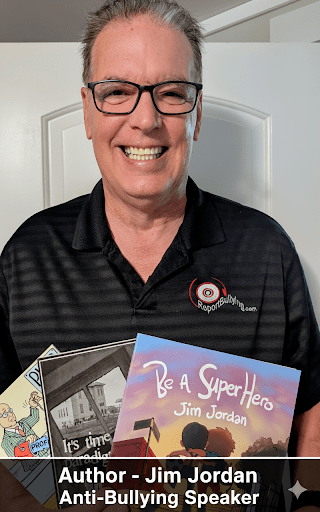
The Best Assembly Plan Begins Before the Speaker Arrives
A Houston elementary school can hire an energetic anti-bullying speaker, fill the gym with students, and still miss part of the opportunity if teachers and students have no idea how the day connects to the school’s larger bullying-prevention efforts.
The goal should be more than having a special event on the calendar.
A strong assembly can create common language, student interest, emotional connection, and a memorable starting point. The school then has the opportunity to use that shared experience in classrooms, hallways, lunchrooms, recess, buses, after-school programs, and conversations with families.
Planning matters.
Step One: Divide the Elementary Audience by Developmental Level
Do not assume that all elementary students should attend the same presentation.
A Houston school serving kindergarten through fifth grade contains children at very different stages of social and emotional development.
Jim Jordan divides his elementary programming into two levels:
K–2: Friends Helping Friends
The primary program focuses on friendship, kindness, empathy, recognizing unkind behavior, confidence, and knowing when to ask a trusted adult for help.
Grades 3–5: Be a Super Hero
The intermediate program addresses more complex peer dynamics, exclusion, bystander behavior, safe upstander choices, reporting, responsibility, and age-appropriate online behavior.
Separating the programs allows each audience to hear examples that make sense at their age.
Step Two: Tell Staff What Students Will Learn
Teachers should not discover the assembly’s key message at the same time as the students.
Before the presentation, share a simple overview with staff.
If K–2 students will learn to identify trusted adults, teachers can reinforce that language later. If grades 3–5 students will discuss bystanders and upstanders, teachers can use those words when social problems occur.
This creates continuity between the assembly and the classroom.
Step Three: Prepare for Student Disclosures
Whenever a school discusses bullying, some students may realize that a situation in their own lives fits what they are hearing.
A child may approach a teacher after the assembly. A student may tell the counselor about something happening on the bus. Another child may disclose exclusion, threats, repeated teasing, online behavior, or a problem the adults had not previously known about.
Schools should be prepared for that possibility.
Staff should know the school’s existing reporting and response procedures before the assembly begins.
StopBullying.gov advises adults to respond promptly and consistently to bullying concerns, keep students safe, stay calm, and avoid forcing children to work out serious bullying situations on their own.
Step Four: Give K–2 Students a Message They Can Repeat
Young children benefit from simple, memorable language.
A primary assembly should not leave a first grader trying to remember a ten-step process.
Instead, the school might reinforce a few ideas:
- Be a good friend.
- Do not join in when someone is being hurt.
- Move toward a safe person or place.
- Tell a trusted adult when something feels wrong.
- Keep telling until someone understands the problem.
The exact language can be reinforced by teachers afterward.
Step Five: Challenge Grades 3–5 to Think About the Audience
Older elementary students can handle a deeper question: what happens when bullying becomes a performance?
A student may say something cruel because classmates laugh. Another may exclude someone because the group rewards the behavior. A rumor may spread because children keep repeating it.
The audience matters.
That is the core opportunity in bystander education.
The student who witnesses bullying may not have started the situation, but the student’s next choice can influence what happens.
Jim Jordan’s Be a Super Hero program encourages students to consider safe ways to withdraw social support from bullying and provide support to the person being targeted.
Step Six: Make Reporting Part of the School Culture
Telling children to report bullying is easy. Building a culture where they believe reporting works is harder.
Students need to know which adults they can approach. They need adults to listen carefully. They need to understand that reporting a safety concern is different from trying to punish someone over a minor disagreement.
The school can help by making its reporting process visible and understandable.
For younger children, this may simply mean identifying specific adults. Older elementary students can understand a more detailed explanation of when and how to report.
Step Seven: Use the Week After the Assembly
The first week after the presentation is an opportunity.
Teachers can ask students what they remember. Classes can discuss examples. Counselors can reinforce reporting options. Morning announcements can remind students about one key idea. Teachers can recognize examples of supportive behavior.
The goal is not to repeat the entire assembly.
The goal is to show students that the message still matters after the speaker leaves.
Before the Assembly
Brief staff, determine grade groups, review reporting procedures, communicate the schedule, and identify how classrooms will follow up.
Assembly Day
Give K–2 and grades 3–5 age-appropriate presentations. Keep staff involved and visible. Be prepared for students who want to talk afterward.
After the Assembly
Use classroom discussions, school language, teacher reinforcement, parent communication, and follow-up resources to continue the message.
Why Follow-Up Matters More Than Posters Alone
Posters can be useful reminders, but a school culture is created through behavior and relationships.
If a student reports bullying and feels dismissed, a poster about kindness will not solve the problem.
If students see adults respond consistently, if classmates are encouraged to support one another, and if teachers have common language for discussing bullying, the message becomes part of everyday school life.
The CDC emphasizes that students benefit when they feel supported by adults and peers and experience a sense of belonging at school.
Include Families Where Appropriate
Parents and caregivers can reinforce many of the same concepts at home.
A school may choose to communicate the assembly themes to families so adults know what their children heard.
For K–2, families can talk about friendship, kindness, feelings, and trusted adults.
For grades 3–5, families can discuss group behavior, online interactions, exclusion, reporting, and what to do when a child sees someone else being targeted.
Ask the Speaker About Follow-Up Resources Before Booking
When comparing speakers, ask what happens after the presentation.
Does the school receive discussion questions? Classroom ideas? Posters? Reporting reminders? Parent material? Teacher resources?
Jim Jordan’s elementary program includes follow-up tools intended to help schools continue the conversation.
Why Houston Schools Should Avoid Combining Every Grade
A combined K–5 program can make follow-up harder because teachers may not know which concepts were truly designed for their students.
Separating K–2 and grades 3–5 creates cleaner learning goals.
Primary teachers can reinforce friendship, feelings, kindness, safety, and adult help. Upper-elementary teachers can reinforce bystander responsibility, exclusion, reporting, and peer support.
Both groups are working toward safer relationships, but the road is different.
What Makes an Anti-Bullying Assembly Practical?
A practical program gives students choices they can use.
A child should leave knowing at least one thing to do if they are targeted, one thing to do if they witness another student being targeted, and one adult they can approach for help.
Older students should understand that laughing, sharing, forwarding, encouraging, or silently supporting bullying can strengthen it.
Younger students should understand that asking for help is a strong choice.
Jim Jordan’s Houston Elementary School Options
JimJordan.ca promotes nationwide school assembly programs and provides dedicated Texas anti-bullying speaker information.
Houston schools can review the elementary anti-bullying assembly program and the Texas anti-bullying speaker page .
For current dates and pricing, contact the team directly.
Frequently Asked Questions
How should Houston elementary schools divide students?
Jim Jordan offers Friends Helping Friends for K–2 and Be a Super Hero for grades 3–5, allowing schools to deliver two age-appropriate messages.
Should staff attend the assembly?
Having staff hear the message can help teachers and administrators refer back to the same concepts afterward.
What should schools do after the program?
Reinforce the language, review reporting options, continue classroom conversations, use follow-up resources, and respond consistently when students raise concerns.
How do we check Houston availability?
Call 1-866-333-4553 or email office@reportbullying.com.
Planning an Elementary Anti-Bullying Assembly in Houston?
Build the day around more than the presentation itself. Prepare staff, separate K–2 and grades 3–5, reinforce the message afterward, and make sure every student knows where to get help.
Contact Jim Jordan Call 1-866-333-4553