An Elementary Anti-Bullying Speaker Should Teach Chicago Students What to Do When They Witness Bullying
Most students understand that bullying is wrong. The harder question is what a child should do when the behavior happens in front of them.
View Elementary Programs Check Availability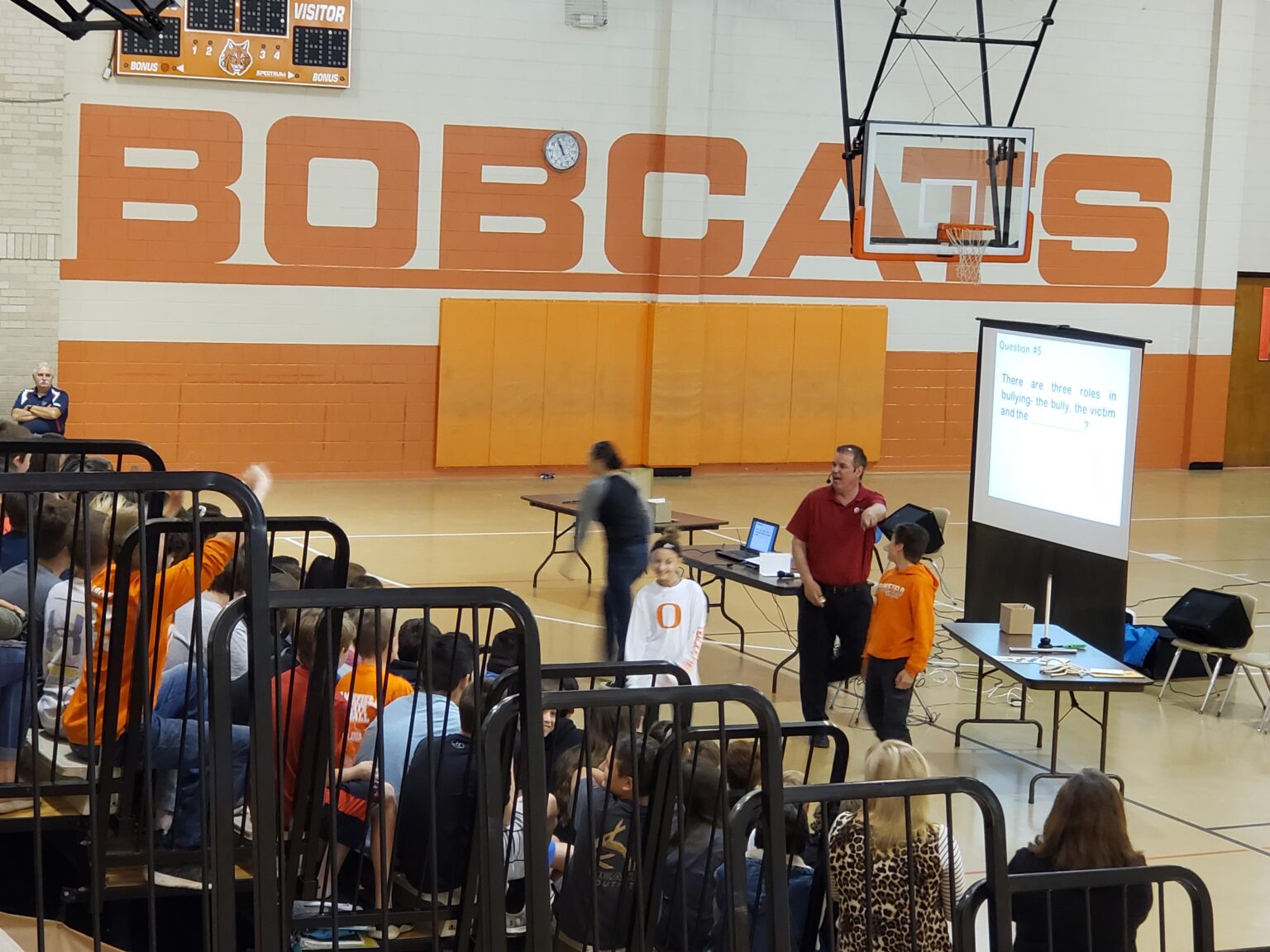
The Missing Piece in Many Bullying Conversations: The Students Watching
When Chicago elementary schools discuss bullying, adults naturally focus on the child being targeted and the child engaging in the harmful behavior.
Both need attention.
But another group is often standing nearby: the students who witness what happens.
They may laugh because everyone else is laughing. They may stay silent because they are scared. They may walk away. They may privately feel bad for the targeted student but have no idea what they should do. They may tell a teacher. They may invite the student to sit with them. They may join the behavior because they want approval from the group.
That is why bystander education is so important, particularly as children move through grades three, four, and five.
What Is an Upstander?
An upstander is a person who takes a positive action when bullying occurs.
That does not mean every child has to confront another student directly. Safety matters. Age matters. The situation matters.
According to StopBullying.gov , young people can take different forms of positive action. They can support the student being targeted, question the behavior when it is safe, redirect attention, refuse to join in, get help, or reach out afterward.
For an elementary school, this is a powerful shift. Instead of presenting children as helpless witnesses, the school can teach them that there are safe choices available.
Grades 3–5 Are Ready to Understand Their Social Influence
Upper elementary students are old enough to understand that an audience can influence behavior.
If a student says something humiliating and ten classmates laugh, that laughter matters. If a child is deliberately excluded and everyone follows the group, that response matters. If one student decides to sit beside the child who was excluded, that response matters too.
Jim Jordan’s grades 3–5 program, Be a Super Hero, focuses heavily on these choices.
The “super hero” idea is not about physically rescuing someone. It is about ordinary student decisions that can interrupt the social rewards connected to bullying.
1. Do Not Feed the Behavior
Students learn that laughing, cheering, sharing, forwarding, or encouraging harmful behavior can make the situation worse even if they were not the student who started it.
2. Support the Student
A simple act such as walking with someone, including them, checking on them privately, or sitting beside them can change how isolated a targeted student feels.
3. Get Adult Help
Students need to understand that reporting a serious or repeated problem is a responsible action, particularly when they do not feel safe intervening themselves.
Why This Message Should Change for K–2
Kindergarten through grade two students should not be expected to analyze complicated peer dynamics the same way a fifth grader can.
For younger students, bullying prevention begins with a simpler foundation.
What does friendship look like? What does kindness sound like? What should I do when I see another child upset? What should I do if somebody keeps hurting or scaring me? Who can help me?
Jim Jordan’s Friends Helping Friends presentation is designed specifically for K–2 students.
The program emphasizes age-appropriate concepts and helps young children understand that telling a trusted adult is a safe and appropriate response when something feels wrong.
Chicago Schools Should Avoid a One-Size-Fits-All K–5 Assembly
It may seem easier to put every elementary student into one gymnasium at the same time, but the message becomes harder to target.
Material that is right for a kindergartener can feel childish to a fifth grader. Material that is relevant to a fifth grader can be unnecessarily complicated for a first grader.
Separate grade-band presentations allow the speaker to change examples, vocabulary, pacing, humor, questions, and student expectations.
K–2 students need foundational friendship and help-seeking skills. Grades 3–5 students can begin taking greater responsibility for the social climate around them.
The Difference Between Conflict and Bullying Matters
Children have disagreements. Friends become angry. Classmates argue over games. Students sometimes say things they regret.
Schools should be careful not to label every conflict as bullying.
An anti-bullying speaker can help children recognize patterns without teaching them that every unpleasant interaction is the same.
At the same time, children should understand that repeated mistreatment, intimidation, humiliation, exclusion, or targeting deserves adult attention.
The purpose of the assembly is not to turn students into investigators. It is to help them recognize when something is concerning enough to seek help.
Reporting Has to Feel Safe
A school can tell students to report bullying, but children will only use the reporting system if they believe an adult will listen.
That means the assembly message and the school’s response need to work together.
Teachers, counselors, principals, support staff, bus personnel, and other adults should understand how students are being encouraged to speak up.
StopBullying.gov recommends that schools respond consistently and that adults model respectful behavior when intervening.
The speaker can open the door. The school has to keep it open.
What Should Chicago Schools Ask a Potential Speaker?
Ask the speaker to explain the grades 3–5 bystander lesson in detail.
Does the presentation tell children to physically step between students? That may not be appropriate. Does it give students several safe response options? Does it teach reporting? Does it explain how peer laughter or participation can encourage harmful behavior?
Then ask about K–2. How is the presentation different? What language is used? How are young students kept engaged? What are the three or four ideas a first grader should remember afterward?
Assemblies Work Best When Teachers Can Reinforce the Language
Imagine a fourth-grade teacher noticing that several students are laughing while another child is being embarrassed.
If the class has already learned the meaning of bystander and upstander behavior, the teacher has shared language available immediately.
That is one reason school-wide messages can be valuable. Students and adults can refer back to the same concepts.
Follow-up classroom discussion makes that language stronger.
Do Not Forget the Students Who Are Afraid to Speak
Not every child will feel comfortable saying, “Stop.”
Some students fear becoming the next target. Some are shy. Some freeze under social pressure. Some may not know what happened until later.
That does not mean they cannot help.
An assembly should give children multiple options: leave the audience, get an adult, support the targeted student later, report privately, or invite another student to help.
Giving students choices makes the upstander message more realistic.
Why Jim Jordan Uses Two Elementary Presentations
Jim Jordan’s elementary programs divide students into two grade bands because the social lesson changes as children mature.
For K–2, Friends Helping Friends builds the foundations: friendship, kindness, empathy, recognizing harmful behavior, confidence, and asking a trusted adult for help.
For grades 3–5, Be a Super Hero places more emphasis on bystander behavior, safe upstander choices, exclusion, reporting, and responsibility.
Chicago schools can also review Jim’s elementary school speaker program and the site’s nationwide school assembly information .
When Should a School Schedule a Bullying-Prevention Assembly?
There is no requirement to wait for a major bullying incident.
A proactive presentation can be scheduled near the beginning of the school year, during a school climate initiative, alongside character education, before a period when the school wants to reinforce expectations, or as part of a broader student wellness program.
The most important question is what happens around the assembly.
Teachers should know the message in advance. Students should know how to report concerns afterward. Administrators should be prepared for children who may disclose situations after hearing the program.
Frequently Asked Questions
What is the strongest theme for grades 3–5?
One of the strongest themes is helping students understand their role when they witness bullying and teaching safe ways to move from bystander to upstander.
What does K–2 focus on?
The primary presentation emphasizes friendship, kindness, empathy, recognizing when behavior is hurtful, and seeking help from trusted adults.
Does the speaker replace the school’s bullying policy?
No. An assembly should complement a school’s procedures, adult supervision, reporting process, classroom expectations, and ongoing prevention work.
How can a Chicago school ask about a booking?
Call 1-866-333-4553 or email office@reportbullying.com with your school name, grade levels, city, and possible dates.
Bring the Upstander Message to Your Chicago Elementary School
Give younger students the foundations of friendship and help-seeking. Give grades 3–5 practical choices for what to do when they witness bullying.
Ask About Chicago Dates Call 1-866-333-4553