Why Phoenix Elementary Schools Should Not Wait for a Bullying Crisis Before Hiring a Speaker
Bullying prevention is easier to teach before students are reacting to a serious incident. A proactive assembly can give K–5 students shared language, safe response options, and a clearer understanding of where to get help.
View the Elementary Program Call 1-866-333-4553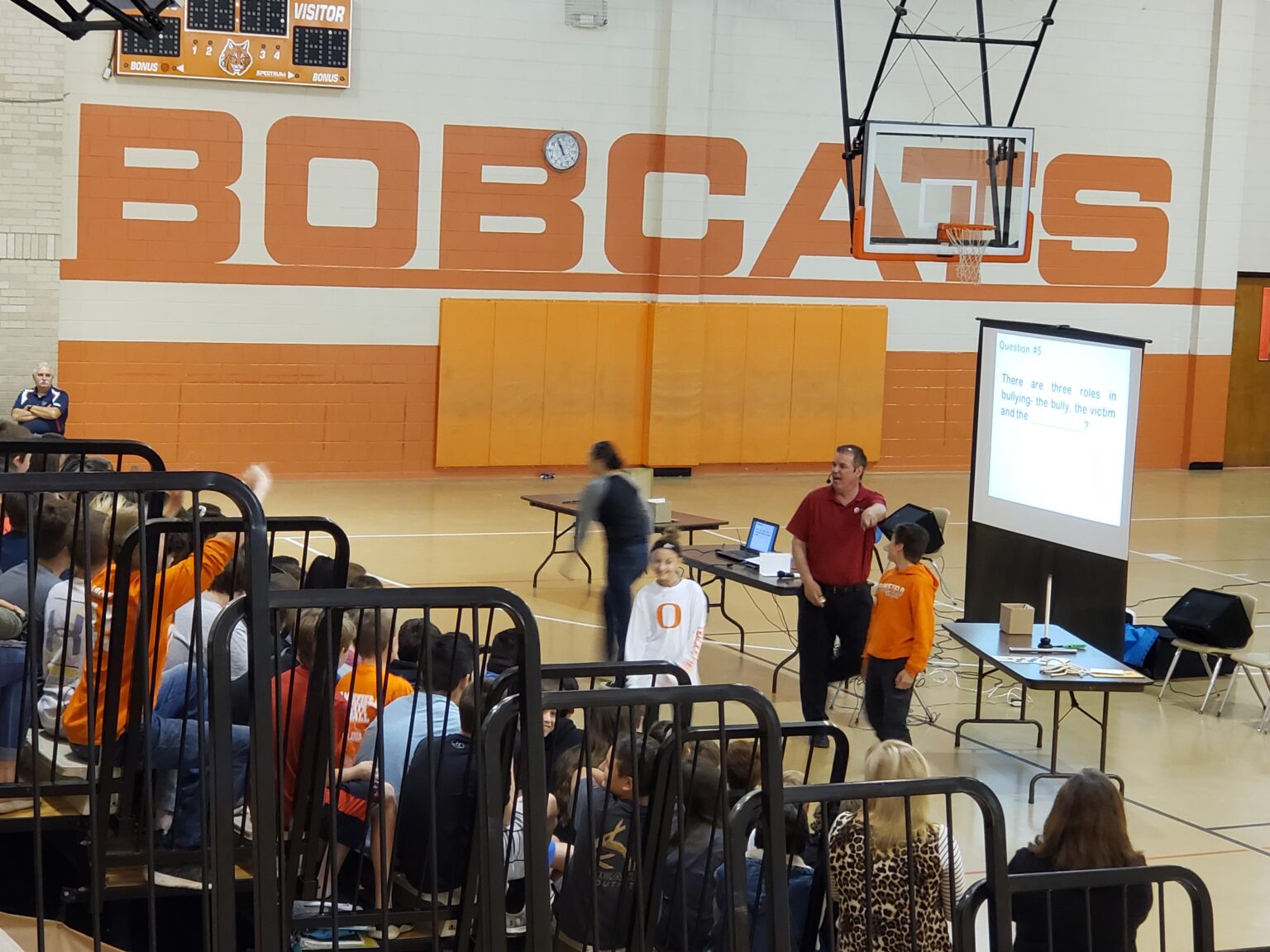
Prevention Gives Students Tools Before They Need Them
Many Phoenix elementary schools begin looking for an anti-bullying speaker after something has already happened.
A parent may raise a concern. A conflict may spread through several classrooms. A child may be repeatedly excluded. A social media issue may reach students in upper elementary grades. Administrators may realize that different children use the word “bullying” in completely different ways.
Those are understandable reasons to bring in additional education.
But schools do not have to wait for a crisis.
A proactive presentation gives students language and response options before emotions are high and before the school is trying to teach new concepts in the middle of a difficult incident.
Start Early With K–2
Bullying prevention for kindergarten, first grade, and second grade does not need to be frightening or complicated.
The goal can be positive.
Children can learn what good friendship looks like. They can learn how words and actions make other people feel. They can learn that repeated unkind behavior should be brought to an adult’s attention. They can practice identifying trusted adults.
Jim Jordan’s K–2 assembly, Friends Helping Friends, is designed around those foundations.
For primary students, prevention means helping children develop habits of kindness, empathy, communication, and help-seeking before unhealthy peer patterns become more established.
Do Not Ask Six-Year-Olds to Solve Bullying Alone
Adults sometimes tell children to “stand up for yourself” without explaining what that means.
For a young child, the safest response may be moving away and getting a teacher. Another child may need help finding words to describe what happened. Some children may need reassurance that they are allowed to keep telling adults when a problem continues.
StopBullying.gov recommends making sure children know how to get help and encouraging them to speak with trusted adults when they experience or witness bullying.
That is a much stronger foundation than putting the responsibility entirely on a young child.
Grades 3–5: Prevention Becomes More Social
As students move through third, fourth, and fifth grade, peer influence becomes more visible.
Students can begin thinking about questions such as:
- Why do people laugh when they know something is hurtful?
- Why is it hard to speak up when friends are involved?
- What should I do if a classmate is repeatedly excluded?
- What if I am afraid to tell an adult?
- What if harmful behavior happens through a device?
- Can I help someone without confronting another student directly?
Jim Jordan’s Be a Super Hero program is designed for this upper-elementary stage.
Students learn that people watching a bullying situation have choices. They can become part of the audience, or they can make a safer and more supportive choice.
A Proactive Assembly Creates Shared Language
One of the most useful outcomes of a school-wide prevention program is common vocabulary.
A teacher can refer to being a good friend with K–2 students. An upper-elementary teacher can ask students whether a behavior was supporting bullying or acting as an upstander.
Counselors can remind students about trusted adults and reporting. Administrators can connect the assembly message to school expectations.
When everyone already knows the words, adults spend less time defining the concept in the middle of an incident.
K–2 Prevention
Build friendship skills, empathy, kindness, confidence, simple recognition of harmful behavior, and the habit of asking trusted adults for help.
Grades 3–5 Prevention
Develop awareness of exclusion, peer pressure, bystander choices, reporting, safe upstander behavior, and responsible online conduct.
Prevention Is Not the Same as Pretending Bullying Will Never Happen
No school speaker can guarantee that bullying will disappear.
Schools should be cautious of anyone making unrealistic promises.
The purpose of prevention is to improve student understanding, strengthen adult-student communication, create clearer expectations, and give students better choices when problems happen.
Bullying prevention is a process, not a one-day guarantee.
Connected Students Are More Likely to Seek Help
A bullying-prevention message should support the broader goal of helping children feel that they belong at school.
The CDC explains school connectedness as the sense that adults and peers care about students, support them, and value their learning.
That matters because a child who believes adults care is in a better position to approach an adult when something feels wrong.
The assembly should therefore reinforce trust rather than create an “us versus them” message between children and adults.
What Should Phoenix Schools Look for in a Proactive Speaker?
First, ask whether the speaker understands elementary development.
Second, ask whether the presentation gives students practical actions.
Third, ask whether the speaker distinguishes K–2 from grades 3–5.
Fourth, ask whether students participate or simply sit through a lecture.
Fifth, ask whether follow-up tools are available.
Finally, ask whether the speaker’s message can work with your school’s existing expectations, reporting process, student-support services, and family communication.
Why Humor and Energy Can Help Elementary Students Learn
A serious subject does not require a gloomy presentation.
Elementary students often respond well when a speaker uses appropriate humor, movement, interaction, stories, questions, and audience participation.
The key is balance.
The energy should keep students engaged while the message remains clear.
Jim Jordan’s school presentations are designed as interactive assemblies rather than long classroom lectures.
The real test is whether children can explain what they should do differently after the program.
Teach Children That Reporting Is a Form of Help
Many elementary students confuse reporting with tattling.
A proactive program can address that confusion before a child has to make the decision in a stressful moment.
Students can learn that telling an adult about repeated harmful behavior, threats, intimidation, humiliation, exclusion, or safety concerns is not the same as trying to get someone punished for a small disagreement.
This distinction becomes increasingly important as children get older.
Prepare Adults to Respond Consistently
Student education and adult response have to support each other.
If students are encouraged to speak up but receive completely different responses depending on which adult they approach, confidence in reporting may weaken.
Schools can use the assembly as an opportunity to remind staff of existing procedures and expectations.
Teachers do not have to become investigators during the presentation. They simply need to understand what students are being encouraged to do and know where concerns should go next.
Use the Assembly to Start Conversations With Families
A proactive presentation can also give families an opening for discussion.
Parents can ask younger children what being a good friend means. They can ask who their trusted adults are at school.
Parents of grades 3–5 students can discuss what to do when a friend is excluding someone, why forwarding hurtful content can make a problem worse, and when an adult needs to know what is happening.
The same message becomes stronger when children hear compatible language at school and home.
Why a Phoenix School Might Schedule the Assembly Early in the Year
The beginning of the school year is one logical time for prevention because teachers are already establishing routines, behavior expectations, and classroom culture.
But it is not the only time.
Schools may schedule a program before a school-climate initiative, during bullying-prevention activities, after winter break, or whenever leadership wants to reset expectations.
The date matters less than the preparation and follow-up around it.
Jim Jordan’s Elementary Anti-Bullying Programs
Jim Jordan offers two distinct programs for elementary students.
Friends Helping Friends — K–2 introduces friendship, empathy, kindness, recognizing unkind behavior, confidence, and getting help from trusted adults.
Be a Super Hero — Grades 3–5 focuses more heavily on bystanders, upstander choices, exclusion, safe reporting, personal responsibility, and age-appropriate awareness of digital behavior.
Phoenix-area schools can review Jim’s elementary anti-bullying speaker program and his Arizona anti-bullying speaker page .
Frequently Asked Questions
Do we need an active bullying crisis before booking a speaker?
No. Schools can use an anti-bullying assembly proactively to establish language, expectations, reporting habits, and positive peer behavior before a major incident occurs.
Why use separate K–2 and grades 3–5 programs?
The developmental needs, social understanding, examples, language, and attention levels of the two groups are different. Separate programs allow the message to be targeted appropriately.
Does the grades 3–5 program teach students to confront bullies?
The focus is on safe, practical choices such as refusing to support harmful behavior, supporting targeted students, and reporting concerns to trusted adults. Direct confrontation is not the only form of upstander behavior.
How can a Phoenix school check dates?
Call 1-866-333-4553, email office@reportbullying.com, or contact Jim Jordan through JimJordan.ca.
Bring Proactive Bullying Prevention to Your Phoenix Elementary School
Do not wait until students are trying to learn these lessons during a crisis. Give K–2 children the foundations of friendship and trusted-adult support, and give grades 3–5 practical upstander and reporting skills.
Contact Jim Jordan Call 1-866-333-4553